

Executive Summary
Trim and baseboards require precision, and using the right brush makes all the difference. This guide explores how professional painters select the best brushes for smooth, crisp lines and efficient application, plus what factors impact performance and finish quality. With expert tools and techniques, pros like Paintzen achieve results that elevate a room’s overall appearance while saving time and effort.
Why Choosing the Right Brush Matters
When painting trim and baseboards, the quality of your brush directly affects the quality of the finish. A good brush can produce clean, even lines and minimize streaks or smudges, while a poor one can make even the best paint look uneven. A high-quality brush helps achieve straight edges, smooth coverage, and fewer touch-ups. Professionals know that different brush materials, shapes, and bristle types produce drastically different results depending on the surface and paint type.
How the Right Brush Affects Finish Quality
The right brush ensures even paint distribution and sharp lines, especially on detailed trim or baseboards near flooring. Cheap or mismatched brushes can leave streaks or brush marks that ruin a polished look. Professional painters rely on quality tools to deliver clean edges without tape or drips. The right brush also improves efficiency, reducing time spent correcting mistakes. Using the right brush allows painters to achieve seamless transitions between trim, walls, and floors, creating a cohesive finish.
Common Mistakes Homeowners Make
Many DIY painters use one-size-fits-all brushes that are too wide, stiff, or low-quality for detailed work. Others skip cleaning between coats, which can cause uneven application. Choosing the wrong brush material for oil- or water-based paints can also lead to poor results. Pros avoid these issues by matching the brush type, bristle quality, and handle shape to each specific task. They understand that brush control, not just the paint itself, determines how crisp and smooth the results appear.

Types of Brushes Used by Professionals
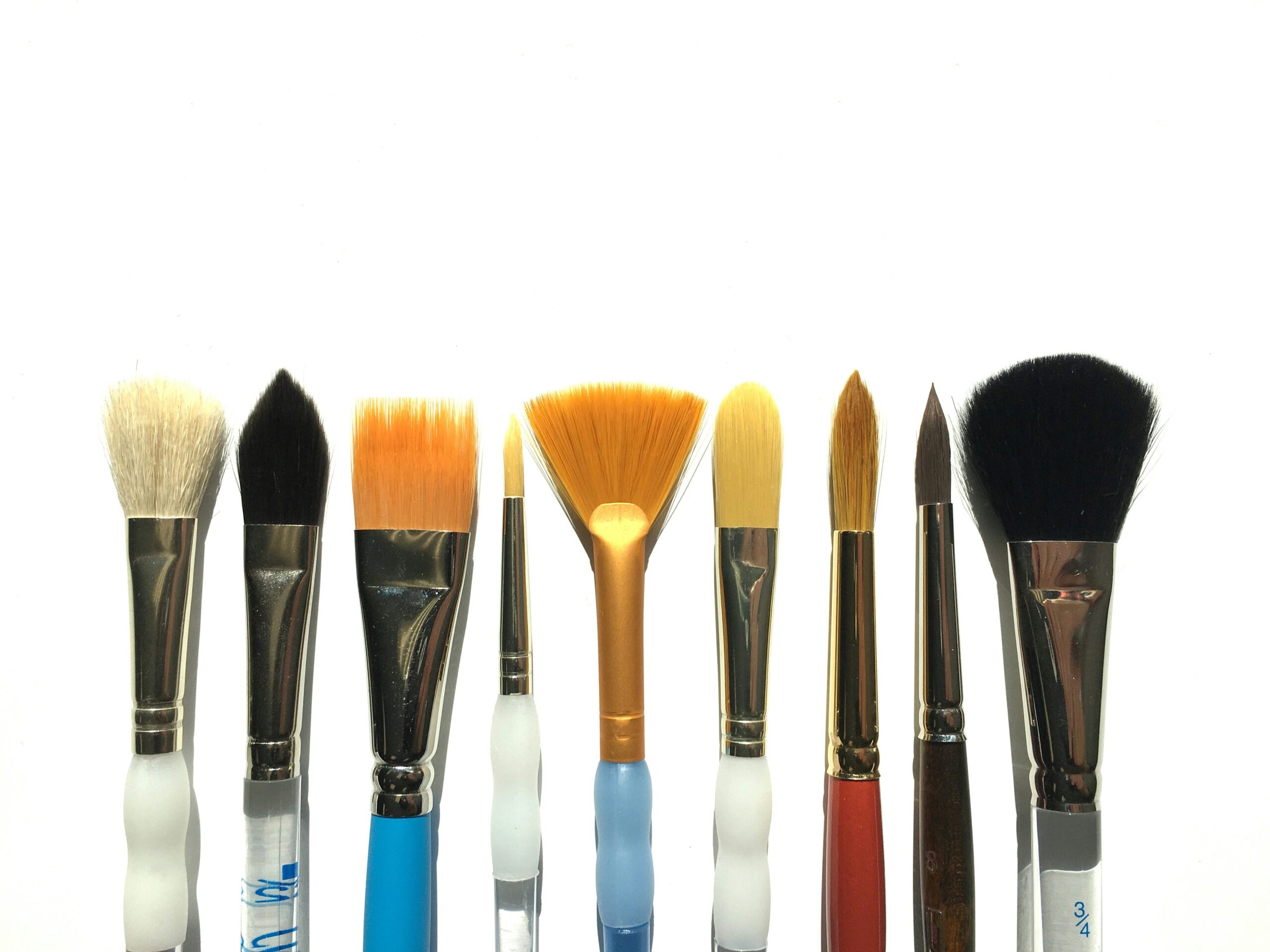
Professionals know that no single brush can handle every painting task equally well. They use specific brush types depending on the area being painted and the desired level of precision. Professional painters use several brush styles depending on the job. The right combination of brush width, bristle material, and angle ensures accuracy on detailed surfaces.
Angled Brushes for Precision Work
Angled sash brushes are the go-to choice for trim and baseboards. Their slanted bristles provide better control for cutting-in edges and painting corners. Pros use them to achieve crisp, even lines without tape. A high-quality angled brush holds more paint, reduces drips, and maintains its shape over time, even after repeated cleanings. These brushes are particularly helpful when working around crown molding, window frames, or detailed architectural features where accuracy matters most.
Flat Brushes for Broad, Smooth Coverage
Flat brushes are ideal for covering longer, flatter baseboards or door frames. They allow quick application while maintaining an even coat of paint. Professionals often alternate between angled and flat brushes for seamless results. The balance between brush size and paint load helps prevent streaking while improving coverage. Flat brushes are especially effective for achieving a uniform sheen on wide, smooth surfaces, ensuring the trim complements the wall paint perfectly.
Bristle Types: Natural vs. Synthetic
Natural bristles (usually made from animal hair) are perfect for oil-based paints, while synthetic bristles—typically nylon or polyester—work best with water-based or latex paints. Pros select brushes based on the paint’s viscosity and finish type. Synthetic brushes are easier to clean and maintain their shape longer, making them a favorite for most modern interior projects. Matching the right bristle to the paint type ensures even application and reduces shedding or clumping during use.
Professional Brush Selection Tips
Professional painters consider more than just size or shape when choosing brushes. Durability, ergonomics, and maintenance all play key roles in consistent performance. Small differences in brush design can significantly impact how well the brush performs and how comfortable it feels during extended use.
Size and Width Matter
A 2- to 2.5-inch angled brush is typically best for trim, while a slightly wider 3-inch brush works well for baseboards. Using the correct size prevents overloading paint and reduces wrist strain. Professionals select sizes that balance precision with coverage speed. The right width ensures enough paint load for steady coverage while still allowing tight control along edges and corners.
Handle Design and Comfort
Pros often prefer hardwood handles with balanced weight for comfort during long projects. The shape of the handle—especially beavertail or slender sash styles—affects control and fatigue. The right handle allows steady wrist movement, resulting in smoother, straighter strokes and less dripping. Comfort and balance help professionals maintain precision throughout long sessions, especially on large projects that require repetitive motions.
How to Care for High-Quality Brushes
Even the best brushes won’t perform well without proper care. Professionals clean them thoroughly after each use, reshape the bristles, and store them flat or hanging. Using brush combs or cleaners extends the lifespan and keeps bristles flexible. Routine maintenance ensures consistent results across multiple painting projects. Clean, well-maintained brushes also hold their edge better, allowing for sharper lines and a smoother finish over time.

Trim and Baseboard Painting Techniques Pros Use
Beyond the brush itself, professional painters apply specific methods for precision and efficiency. Each technique is designed to maximize paint coverage while minimizing marks or uneven textures. These practiced movements make a significant difference in achieving a polished, professional finish.
Cutting-In Without Tape
Professionals use steady, angled strokes to create crisp edges freehand—saving time while maintaining a clean finish. The key lies in consistent brush pressure and paint load. Practice and experience help pros avoid wobbly lines, drips, or overpainting. Using quality brushes designed for precision is crucial for mastering this technique. Professionals rely on muscle memory and a steady pace, ensuring smooth transitions between wall, trim, and flooring.
Layering and Feathering for a Smooth Finish
Pros often apply two thin coats instead of one thick one, using feathering techniques to blend strokes seamlessly. This minimizes lap marks and creates a uniform sheen. The first coat acts as a base, while the second enhances color depth and durability. Proper timing between coats also helps avoid tacky or uneven surfaces. Feathering keeps each layer light and consistent, which results in a flawless finish that looks clean and professional.

Key Takeaways
- Professional painters use angled sash brushes for clean, precise trim lines.
- Brush material and shape should match the paint type and surface texture.
- Proper cleaning and maintenance extend brush life and performance.
- Experience and technique matter as much as brush quality for professional results.
- The right brush and approach minimize touch-ups and ensure a polished look.
FAQs About Trim and Baseboard Brushes
What brush size works best for trim?
A 2- or 2.5-inch angled sash brush is ideal for most trim and molding. It allows you to maintain control while covering just enough surface area efficiently. Wider brushes can cause overpainting or drips, while smaller ones slow progress. Professionals often keep several sizes on hand for different trim widths, ensuring they have the right brush for every detail.
Can I use the same brush for oil and latex paints?
It’s best not to. Natural bristles are suited for oil-based paints, while synthetic brushes are designed for latex. Mixing the two can damage bristles and affect paint flow. Professionals always dedicate specific brushes to each paint type to preserve quality and avoid cross-contamination. Consistent use of paint-specific brushes also helps maintain the brush’s structure and performance.
How do professionals avoid brush marks?
Pros use high-quality brushes with tapered bristles and apply light, consistent pressure. They also maintain a wet edge and avoid overworking the paint once it starts drying. The key is proper technique, including feathering and layering coats for a seamless finish. Brush condition and cleanliness also play a major role. Clean, flexible bristles glide smoothly across surfaces, reducing visible strokes.
How long should a good brush last?
A well-maintained brush can last for years, even through dozens of projects. Regular cleaning, proper drying, and careful storage preserve bristle shape and flexibility. Professionals often invest in top-tier brushes knowing that durability pays off in performance and finish quality. When cared for correctly, a quality brush will consistently deliver professional-level results with minimal shedding or stiffness.
Related Reading
- Acrylic vs. Oil Based Paint: What Are The Differences?
- How to Prep a Room for Painting
- How Paint Color Affects Mood: Designing Spaces That Feel Right
Get a Free Quote from Paintzen
When it comes to fine details like trim and baseboards, professional precision makes all the difference. Paintzen’s expert painters use top-tier brushes and proven techniques for sharp, flawless lines. Their team handles prep, painting, and cleanup, leaving your home with a smooth, elegant finish. Get your free quote today and bring professional-level results to your home.