
Executive Summary
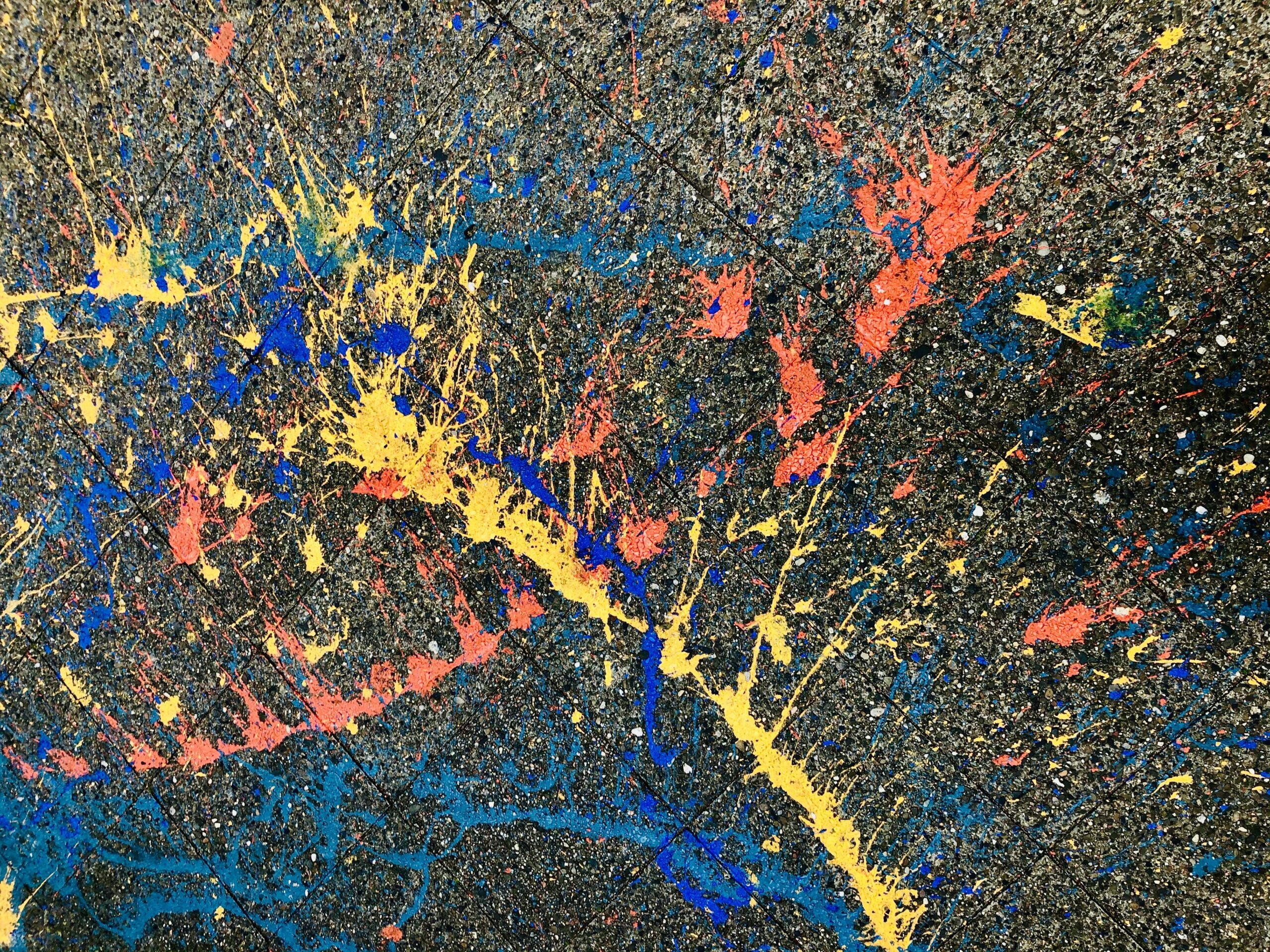
Removing paint from concrete can be a daunting task. Unlike smooth surfaces, concrete’s porous nature makes it difficult for paint to lift off cleanly, often requiring more than one method. From mechanical solutions like grinding or pressure washing to chemical paint strippers and eco-friendly alternatives, there are many approaches depending on the scale and type of project. Whether you’re dealing with paint spots on a sidewalk, an entire porch, or a foundation wall, the right technique can restore your concrete. In some cases—especially large areas, multiple paint layers, or suspected lead paint—hiring professional painters ensures faster, safer, and more effective results.
Introduction
Concrete is everywhere around the home—sidewalks, porches, garage floors, and foundations. Unfortunately, it’s also one of the trickiest surfaces when it comes to removing paint. Homeowners often face this problem after accidental spills, failed DIY paint jobs, or when trying to restore natural concrete. The question is: how do you remove paint from concrete effectively? This guide will walk you through the most reliable methods, safety precautions, and when it makes sense to call in experts.
Before diving into the step-by-step instructions, it’s worth understanding why paint clings so stubbornly to concrete and what factors influence the removal process. This context helps homeowners set realistic expectations, plan projects more effectively, and avoid common mistakes that lead to wasted time or damaged concrete.
Understanding the Challenges of Paint on Concrete
Why Paint Sticks to Concrete So Stubbornly
Concrete is not a smooth, sealed surface. It is porous, which means that when paint is applied, it seeps into tiny holes and crevices. This makes removal more complex than simply peeling or scraping. Over time, exposure to sunlight, moisture, and freeze-thaw cycles can also cause the paint to bond even more tightly with the surface.
Safety Precautions Before You Start
Before beginning, safety should be your top priority. Always wear protective gloves, safety goggles, and a mask to avoid inhaling dust or fumes. If using chemical strippers, make sure the area is well-ventilated or work outdoors. Keep pets and children away from the work zone, and always follow the manufacturer’s disposal instructions for chemicals and paint debris.
Methods for Removing Paint from Concrete
How to Remove Paint from a Concrete Floor
Concrete floors in basements, garages, or utility rooms are frequent painting surfaces. Paint here often covers large areas and multiple coats, so removal can be tedious. The challenge is balancing efficiency with care so the floor isn’t damaged in the process.
- Sweep and clean the area to remove dirt and dust.
- Apply a chemical stripper evenly across the painted floor.
- Let the stripper break down the paint for 15–30 minutes.
- Scrape and scrub with a scraper or wire brush to lift paint.
- Wash the floor with water and repeat the process for stubborn areas.
How to Remove Paint from a Painted Concrete Floor
Floors with multiple layers of old paint require more aggressive approaches. Thick paint buildup can trap dirt and moisture, so removing it restores both safety and appearance.
- Rent or use a floor grinder or sander to strip away thick paint layers.
- Work slowly to avoid damaging the concrete underneath.
- Vacuum dust thoroughly to prevent residue from spreading.
- Apply a stripper on remaining spots and scrub them clean.
How to Remove Paint from a Concrete Porch
Concrete porches face heavy foot traffic and outdoor weather conditions. Peeling porch paint can become a tripping hazard or an eyesore if not removed properly.
- Apply a paint stripper formulated for exterior use.
- Scrape away softened paint with a stiff tool.
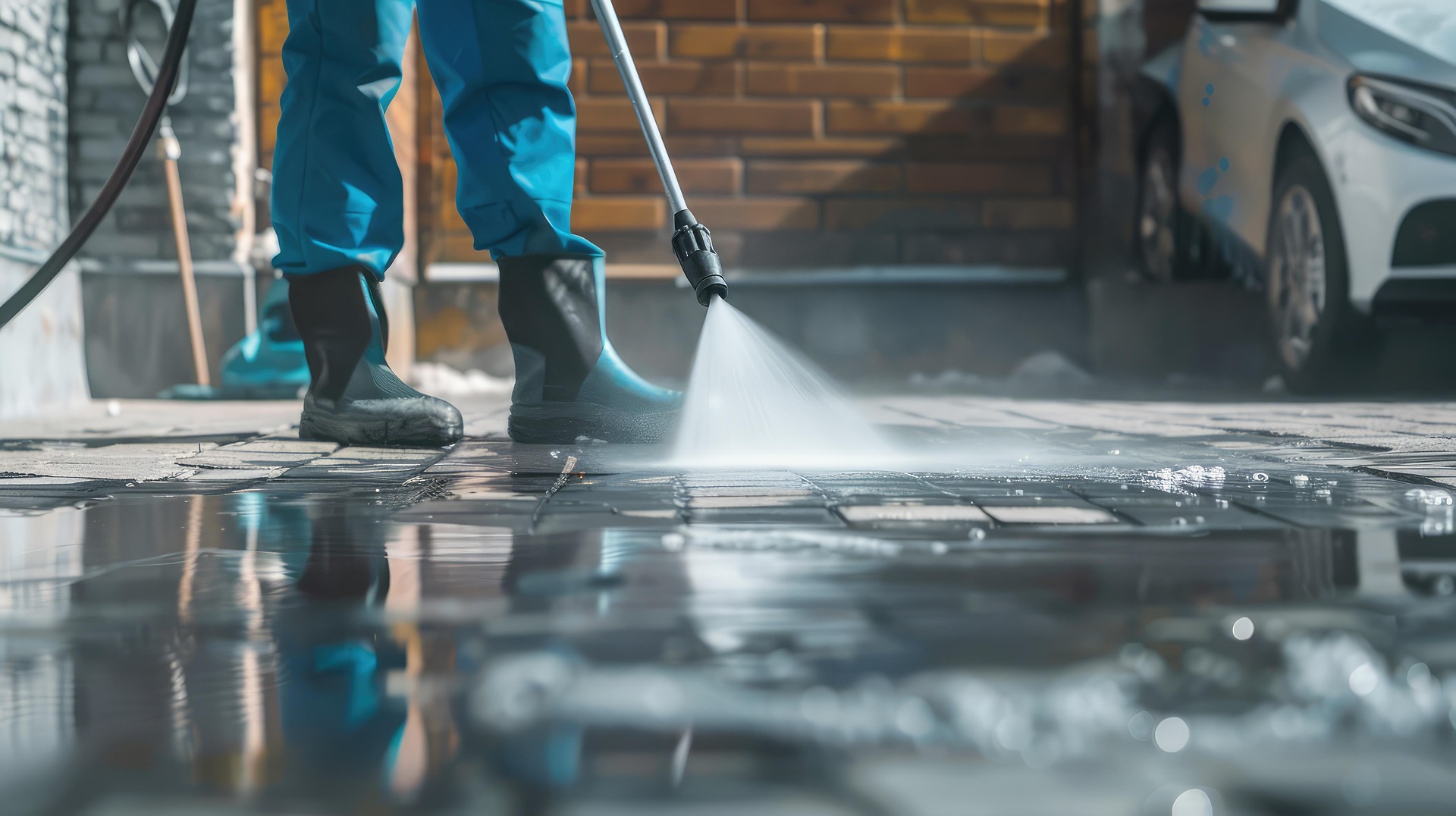
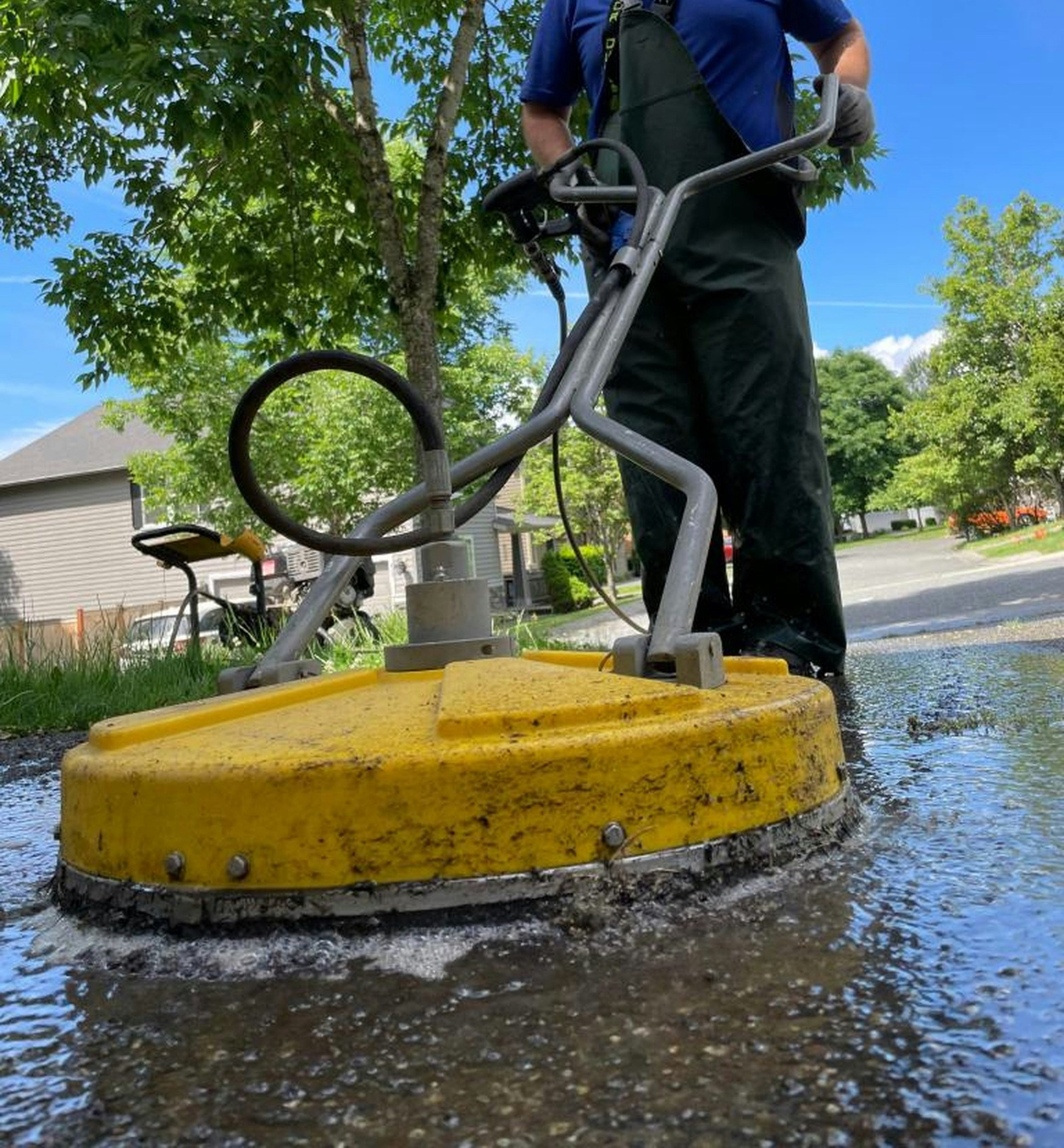
- Use a pressure washer to remove remaining residue.
- Allow the porch to dry fully before resealing or repainting.
How to Remove Paint from a Concrete Sidewalk
Sidewalks are prone to drips and splatters from painting nearby fences, siding, or trim. They’re highly visible, so removing paint preserves curb appeal.
- Apply a gel-based stripper that will stay in place.
- Scrub with a stiff brush or wire tool.
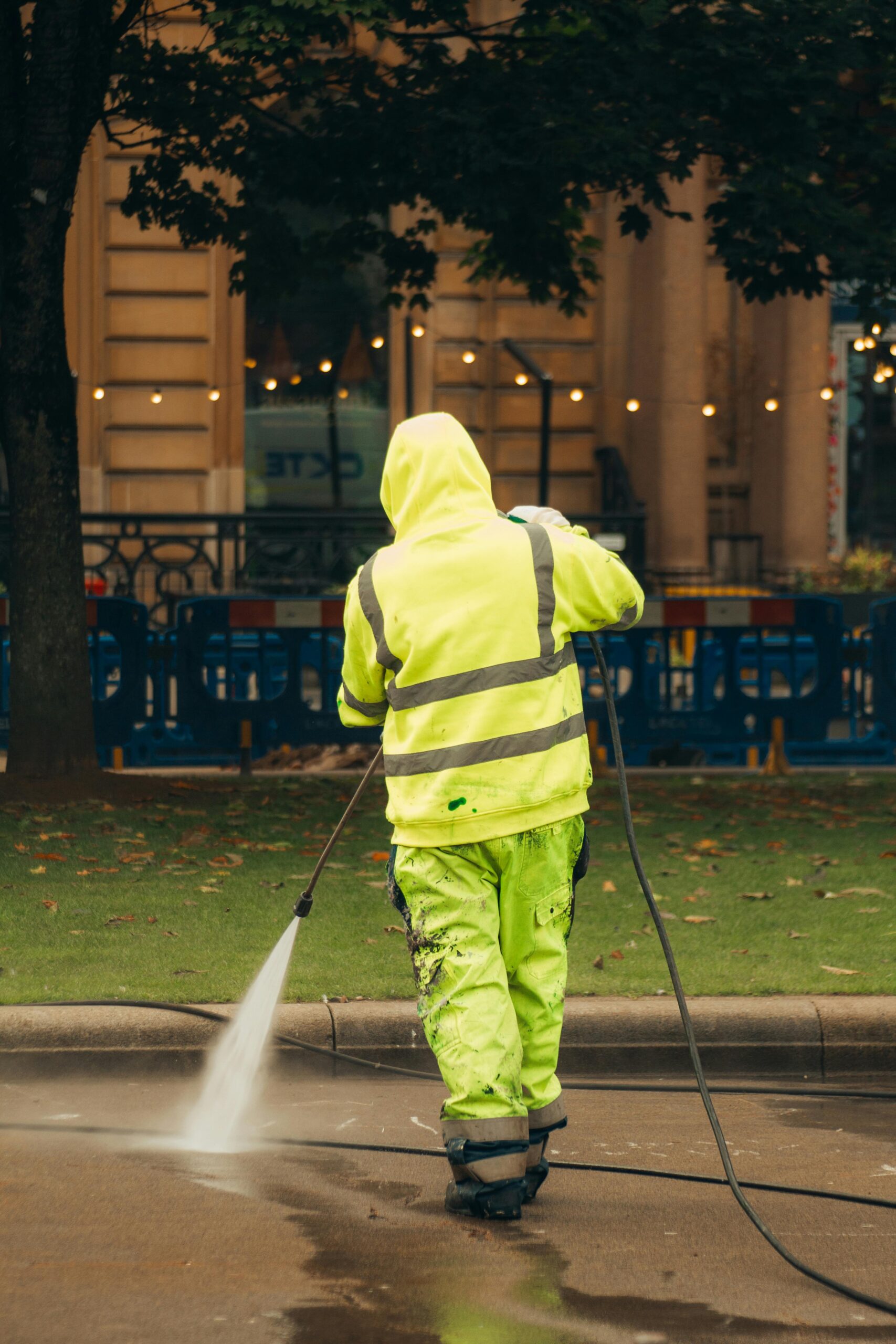
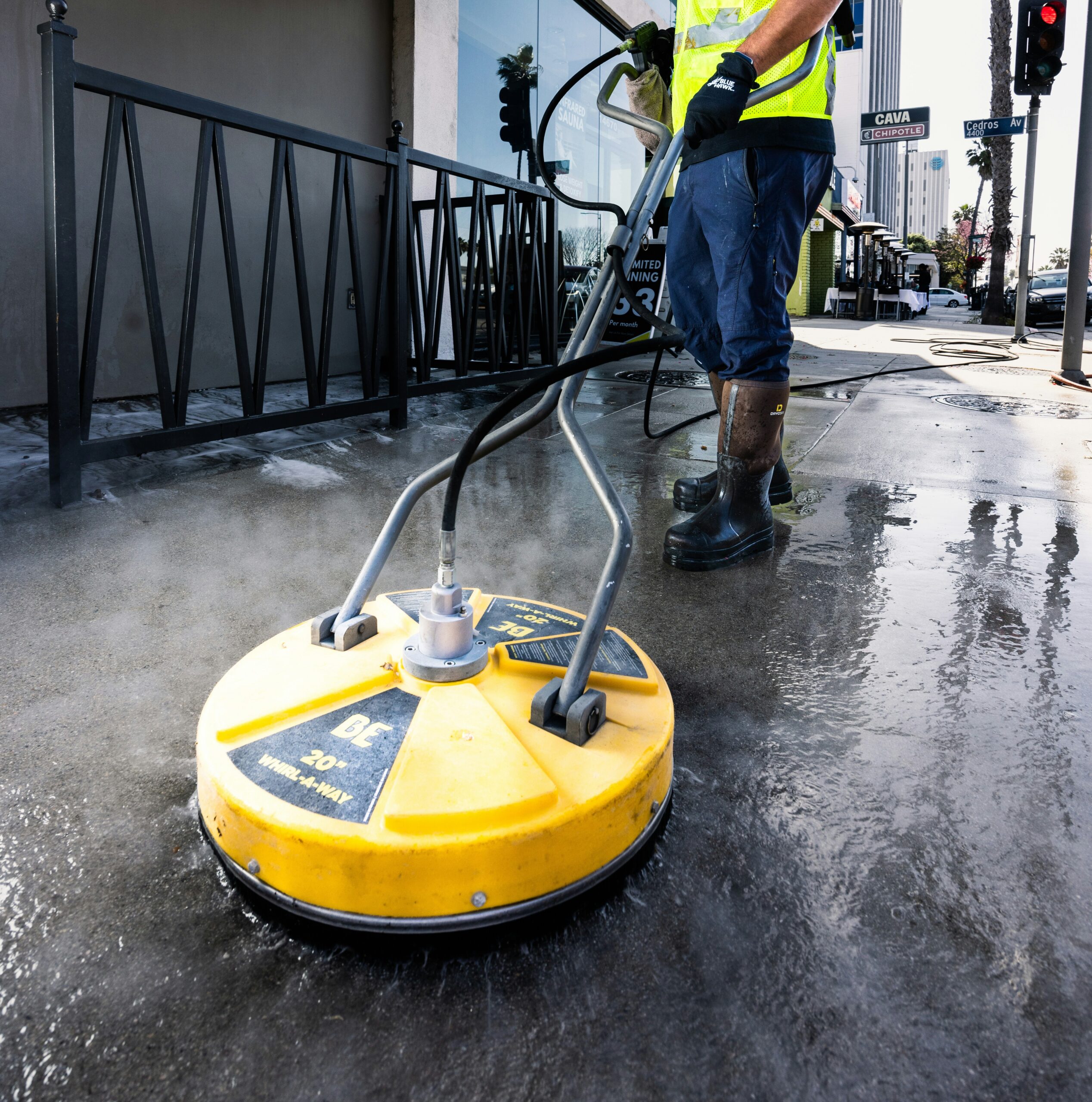
- Rinse with water or pressure wash carefully.
- Repeat for stubborn or older paint spots.
How to Remove Paint from a Concrete Foundation
Concrete foundations protect your home’s structure, but paint on these surfaces can trap moisture or crack over time. Because they are vertical, foundations need tailored solutions.
- Apply a gel or paste stripper that clings to walls.
- Let it dwell long enough to break down the paint.
- Scrape or scrub with a stiff brush.
- For stubborn paint, consider soda blasting or sandblasting (usually requiring a pro).
Eco-Friendly and Natural Paint Removal Options
If you want to avoid harsh chemicals—especially for small spots or lightly bonded coatings—eco-friendly options can be effective with a bit of patience. These approaches are gentler on indoor air quality and landscaping and are ideal for quick cleanups or touch‑ups before resorting to stronger products.
- Heat white vinegar and apply it to paint spots to soften paint; wait 10–15 minutes, then scrape and wipe clean.
- Mix baking soda with water to form a paste, apply over the paint, let sit for 15–30 minutes, then scrub with a stiff brush and rinse.
- Use citrus-based, biodegradable removers per label instructions; allow full dwell time, then scrape and rinse thoroughly.
These methods are safer and eco-friendly but best for smaller jobs.
Tips for Removing Paint Spots and Stains from Concrete
Not every paint problem requires a full-scale removal project. Drips, splatters, and small stains are common, especially near trim or fencing projects. With these, speed is often the key—addressing the spill before it fully cures makes removal much easier.
- For small drips, scrub with a wire brush, soap, and warm water.
- Apply rubbing alcohol or acetone to spots and scrub firmly.
- For oil-based paint, use mineral spirits to help lift stains.
- Always act quickly before the paint fully cures for best results.
- If stains remain, consider resealing the concrete to prevent long-term discoloration.
Comparing Paint Removal Methods
Each method has its own advantages and disadvantages. Chemical strippers are powerful but can be messy. Mechanical options like grinding or pressure washing are effective on large surfaces but can damage concrete if overused. Eco-friendly options are safer but usually slower. Homeowners should choose based on the size of the job, the type of paint, and personal comfort with tools or chemicals.
Regional Considerations for Paint Removal
Climate and environment play an important role in paint removal. In hot, dry climates, paint tends to bond tightly to concrete, requiring more aggressive stripping. In damp or cold regions, paint may peel more easily but stains can penetrate deeper. Coastal areas face unique challenges, with salt and humidity affecting both the paint and the concrete. Factoring in your region helps you choose the right method and products.
Preventing Paint Problems on Concrete
One of the best ways to deal with paint on concrete is to prevent it from sticking in the first place. Always use drop cloths, tarps, or painter’s tape when working near concrete surfaces. If painting trim or siding near a porch or sidewalk, mask off edges carefully. Once you’ve removed paint, consider sealing the concrete—this creates a protective barrier that makes future cleanup much easier.

When to Call the Professionals
DIY methods can be satisfying, but they aren’t always enough. Here’s when hiring professionals makes sense:
- Large areas: Stripping an entire garage floor or long stretch of sidewalk is labor-intensive.
- Multiple layers of paint: Professionals have equipment to remove thick coatings efficiently.
- Lead paint concerns: Homes built before 1978 may contain lead-based paint, which requires special handling.
- Desired finish: If you plan to reseal, stain, or repaint the concrete, professional prep ensures a smoother, longer-lasting result.
Professional crews often use soda blasting, industrial grinders, or commercial-grade solvents that most homeowners don’t have access to. While the cost may range from a few hundred to a few thousand dollars depending on the job, the savings in time and the improved finish often make it worthwhile.
Key Takeaways
- Removing paint from concrete is challenging because of its porous surface.
- Mechanical, chemical, and eco-friendly methods are all viable depending on the project.
- Different surfaces—floors, porches, sidewalks, and foundations—require unique approaches.
- For small spots, natural or household solutions may work. For large jobs, professionals are often the smarter choice.
- Preventing paint spills and sealing concrete can save time in the long run.
FAQs About Removing Paint from Concrete
How do you remove dried paint from concrete?
Dried paint requires more effort to remove. A chemical stripper combined with scraping and scrubbing is often the most effective method. For smaller spots, acetone, vinegar, or natural pastes may work. For large areas, mechanical solutions like grinding or soda blasting are often best, especially when multiple paint layers are involved.
What is the best chemical to remove paint from concrete?
Solvent-based strippers are highly effective for most paints, but they can be harsh. Safer alternatives include soy-based or citrus-based strippers, which work more slowly but are less toxic. The choice depends on whether you prioritize speed or safety.
Can you remove paint from concrete without chemicals?
Yes, though it may require more labor and specialized equipment. Methods include grinding, sanding, and pressure washing. These mechanical solutions can avoid chemicals but create dust, requiring protective equipment. For small spots, manual scrubbing with household alternatives can work.
Will a pressure washer remove paint from a concrete sidewalk?
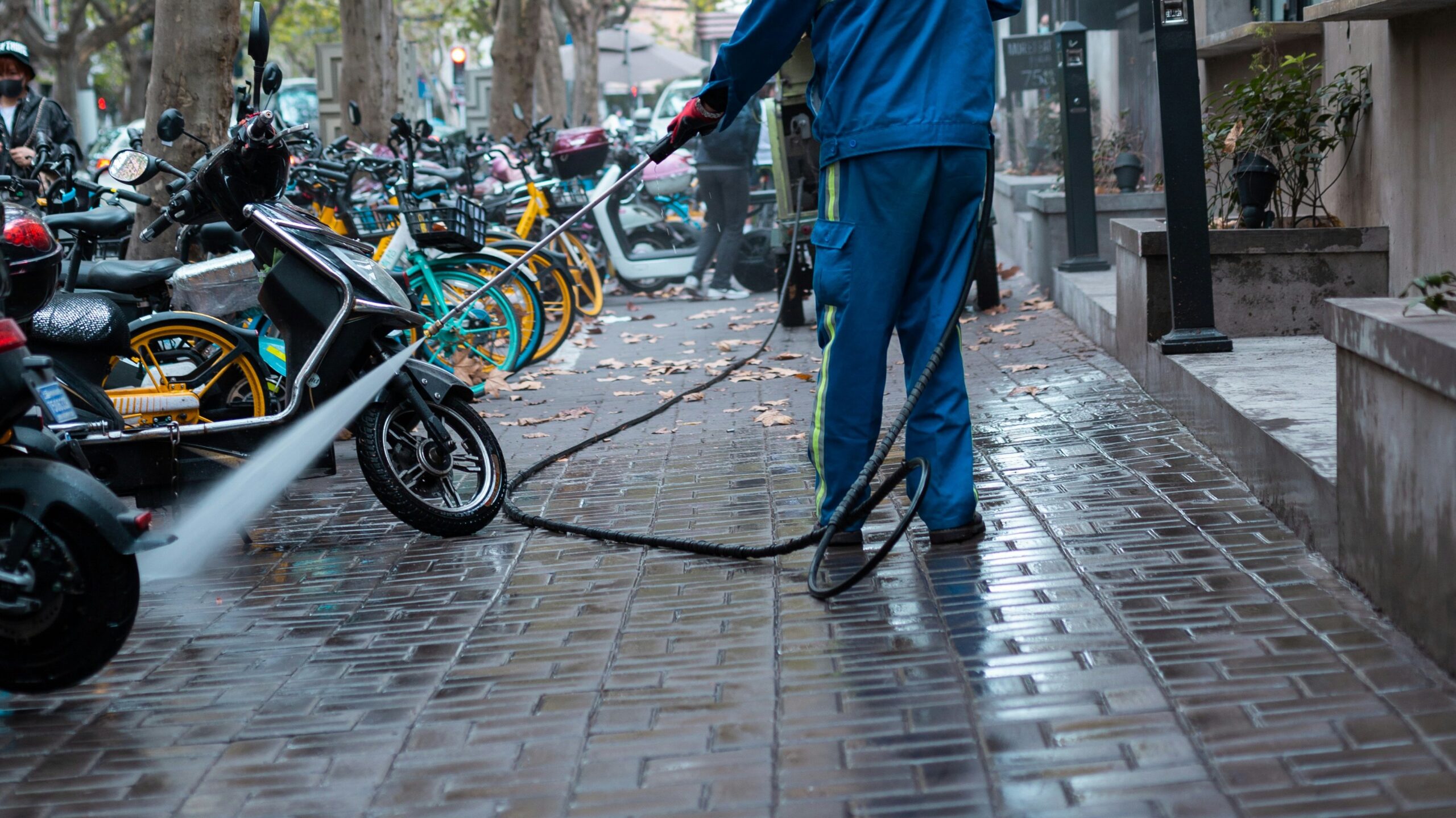
Yes, but it depends on the paint type and how long it’s been there. A pressure washer works best when combined with a stripper. Too much pressure can damage concrete, so using the correct nozzle and technique is important.
Is it worth hiring a professional to remove paint from concrete?
In many cases, yes. Professionals have access to industrial-grade tools and experience that can save time and deliver better results. For large projects, safety concerns, or when dealing with lead paint, professional removal is strongly recommended.
Related Reading
- Exterior House Painting Tips for Every Season
- Interior Painting Tips: What You Need to Know
- How Lighting Impacts Paint Color
Final Thoughts: Concrete Paint Removal Made Simple
Removing paint from concrete is rarely a quick task, but it is possible with the right tools, products, and patience. From sidewalks and porches to foundations and floors, each surface has its own considerations. For small spills, natural methods or spot cleaning may be sufficient. Larger projects often require chemical strippers, mechanical tools, or professional expertise. Whatever your situation, taking the time to do it properly will ensure your concrete looks clean, fresh, and ready for a new finish.
If you’re planning to repaint, seal, or stain your concrete after removal, investing in professional prep may extend the life of your next project by years. A smooth, well-prepped surface not only looks better but also resists weathering and everyday wear.
Get a Quote from Paintzen Today
Thinking of repainting after removing old paint from concrete? Contact Paintzen today for a free estimate and let our professional painters handle the hard work while you enjoy a flawless result.