
Executive Summary
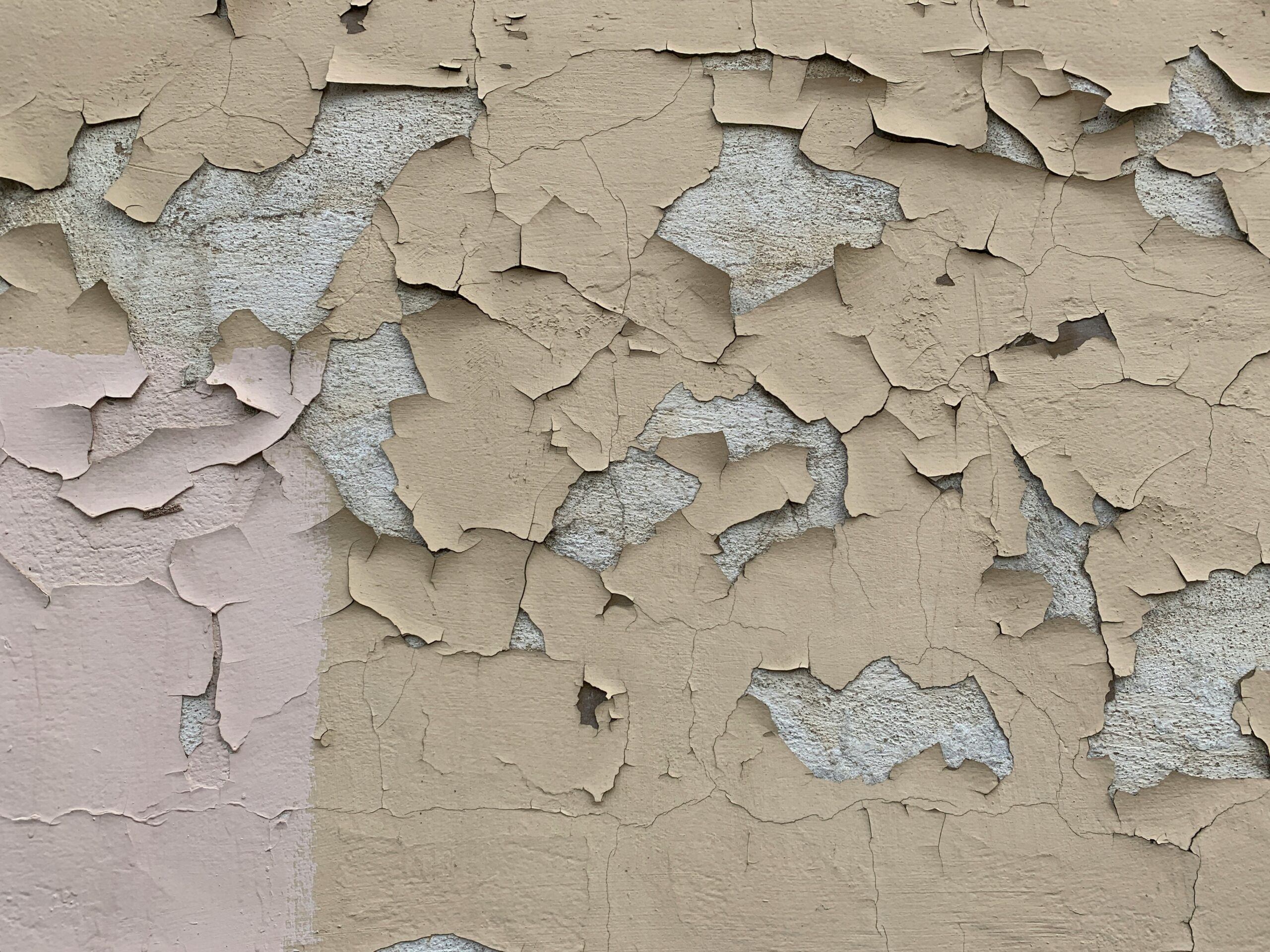
Removing paint from cement can be challenging because the surface is porous and textured, allowing paint to penetrate deeply. Unlike smooth materials, cement often requires more than one method to fully lift paint. Common approaches include chemical strippers, mechanical methods like grinding or pressure washing, and eco-friendly alternatives for smaller jobs. From driveways and porches to statues and block walls, each cement surface requires a slightly different strategy. In some cases, such as large-scale projects or older painted surfaces, hiring professionals may be the best solution for speed, safety, and quality results.
Introduction
Cement is one of the most durable materials used around the home, but it’s also one of the most difficult to clean when paint gets involved. Whether it’s a spill on a garage floor, old coatings on a porch, or splatters on a driveway, removing paint from cement takes patience and the right tools. Unlike wood or metal, cement absorbs paint into its pores, meaning surface-level scrubbing often won’t cut it. This guide covers the most effective ways to remove paint from cement floors, porches, walls, and more.
Before jumping into the methods, it’s important to know that no single technique works for all situations. A small splatter on steps can be managed differently than decades-old paint on a basement floor. By understanding how cement behaves and matching your approach, you can save time, avoid damage, and get cleaner results.
Understanding the Challenges of Removing Paint from Cement
Why Cement Holds Paint So Firmly
Cement’s rough, porous structure acts like a sponge. Paint penetrates into tiny holes and crevices, creating a bond that makes it difficult to remove. Over time, outdoor factors like rain, snow, and UV exposure can cause the paint to adhere even more strongly to cement.
Safety First: Protective Gear and Prep Work
Before starting, prioritize safety. Always wear gloves, goggles, and a respirator or mask, especially when working with chemical strippers. Ensure the work area is well-ventilated, and if outdoors, choose a dry day. Cover nearby plants, siding, or decorative features to protect them from overspray, chemicals, or dust. Keep a bucket of water nearby in case of spills, and always dispose of debris according to local regulations.
How to Remove Paint from Cement Surfaces
How to Remove Paint from a Cement Floor
Interior cement floors like those in basements or garages often need full paint removal when homeowners want a natural finish or to reseal the surface. Preparation is critical, since floors tend to cover large areas and see heavy use.
- Clean the floor with a broom or vacuum to remove dirt and debris.
- Apply a chemical paint stripper evenly, following label instructions for coverage.
- Allow the stripper to dwell for 15–30 minutes or longer if recommended.
- Scrape softened paint with a wide scraper, then follow with a stiff bristle brush.
- Rinse the area with warm water, using a mop or wet vacuum, and repeat as necessary until the floor is bare.
How to Remove Old Paint from a Cement Floor
Floors with layers of old paint are tougher to restore and often require both mechanical and chemical methods. Thick paint buildup can trap dirt, oils, and moisture, so removal improves both appearance and function.
- Use a floor grinder or sander to break down thick paint layers evenly.
- Work in small sections to avoid uneven grinding or gouges.
- Vacuum dust thoroughly with a shop vacuum fitted with a HEPA filter.
- Spot-apply a chemical stripper on any stubborn patches.
- Scrub remaining paint with a stiff brush and rinse well before resealing or repainting.
How to Remove Paint from a Cement Porch or Patio
Outdoor porches and patios are exposed to weather, making paint adhesion inconsistent. Removal helps restore a clean look and prevents peeling hazards.
- Apply an exterior-grade chemical stripper generously across painted sections.
- Let the product soften the paint, checking after 20–30 minutes.
- Scrape away softened paint with a sturdy scraper.
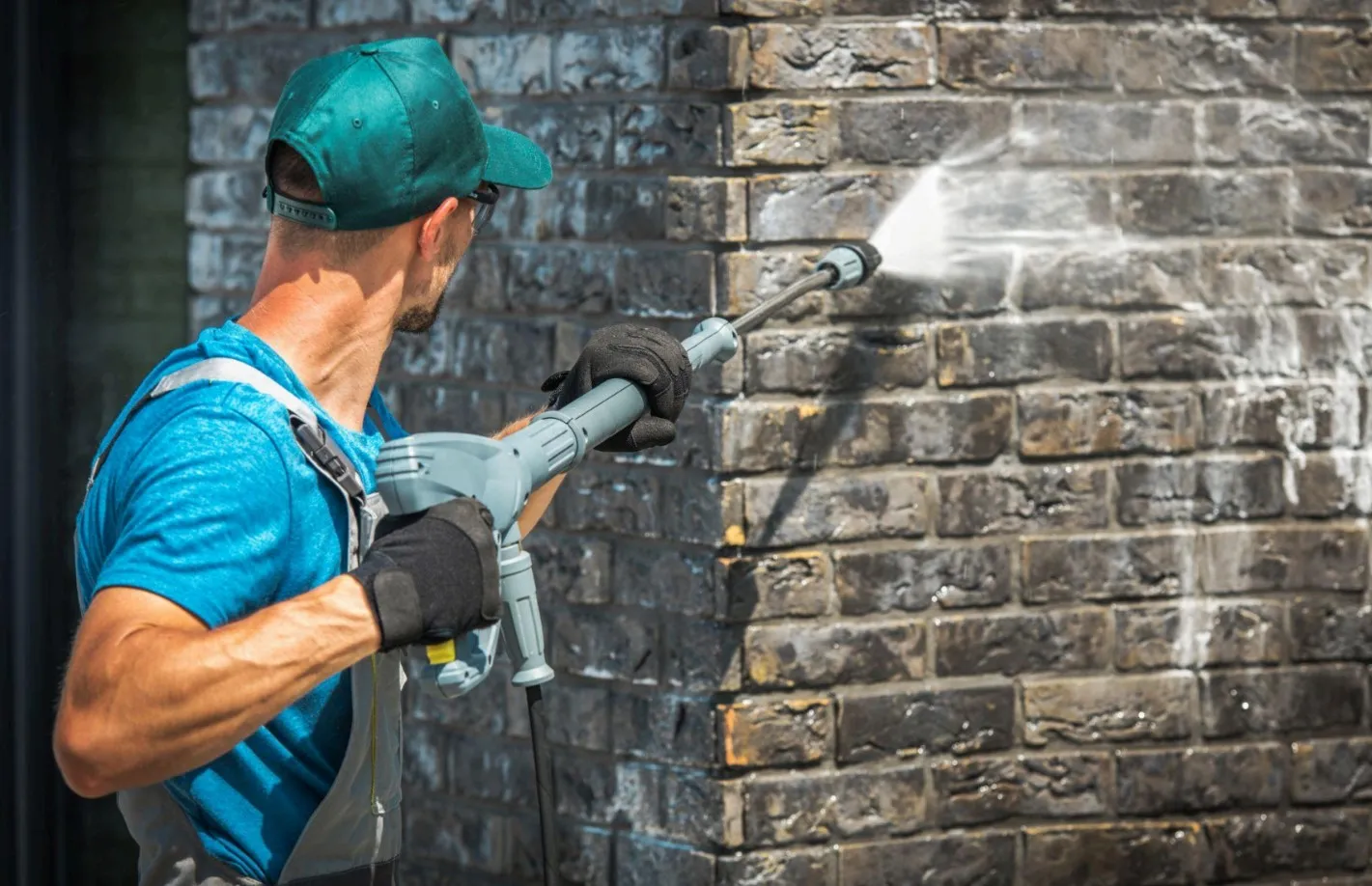
- Use a pressure washer to rinse residue, holding the nozzle 12–18 inches from the surface to avoid damage.
- Allow the porch or patio to dry completely before sealing or repainting.
How to Remove Paint from Cement Steps & Driveways
Steps and driveways face constant wear from foot traffic and vehicles. Removing paint here restores safety and curb appeal.
- Apply a gel-based stripper that clings to angled or uneven surfaces.
- Scrub with a wire brush or stiff bristle brush to penetrate textured areas.
- Rinse thoroughly with a pressure washer, adjusting PSI to avoid etching.
- Repeat as needed for stubborn areas or multiple paint layers.
- Consider applying a sealer after cleaning to prevent future stains.
How to Remove Paint from a Cement Wall or Block Wall
Vertical surfaces like cement walls or block walls require products that don’t run. The texture of block walls can make removal even more challenging.
- Apply a gel or paste stripper that adheres to vertical areas.
- Allow the stripper to work for the recommended dwell time.
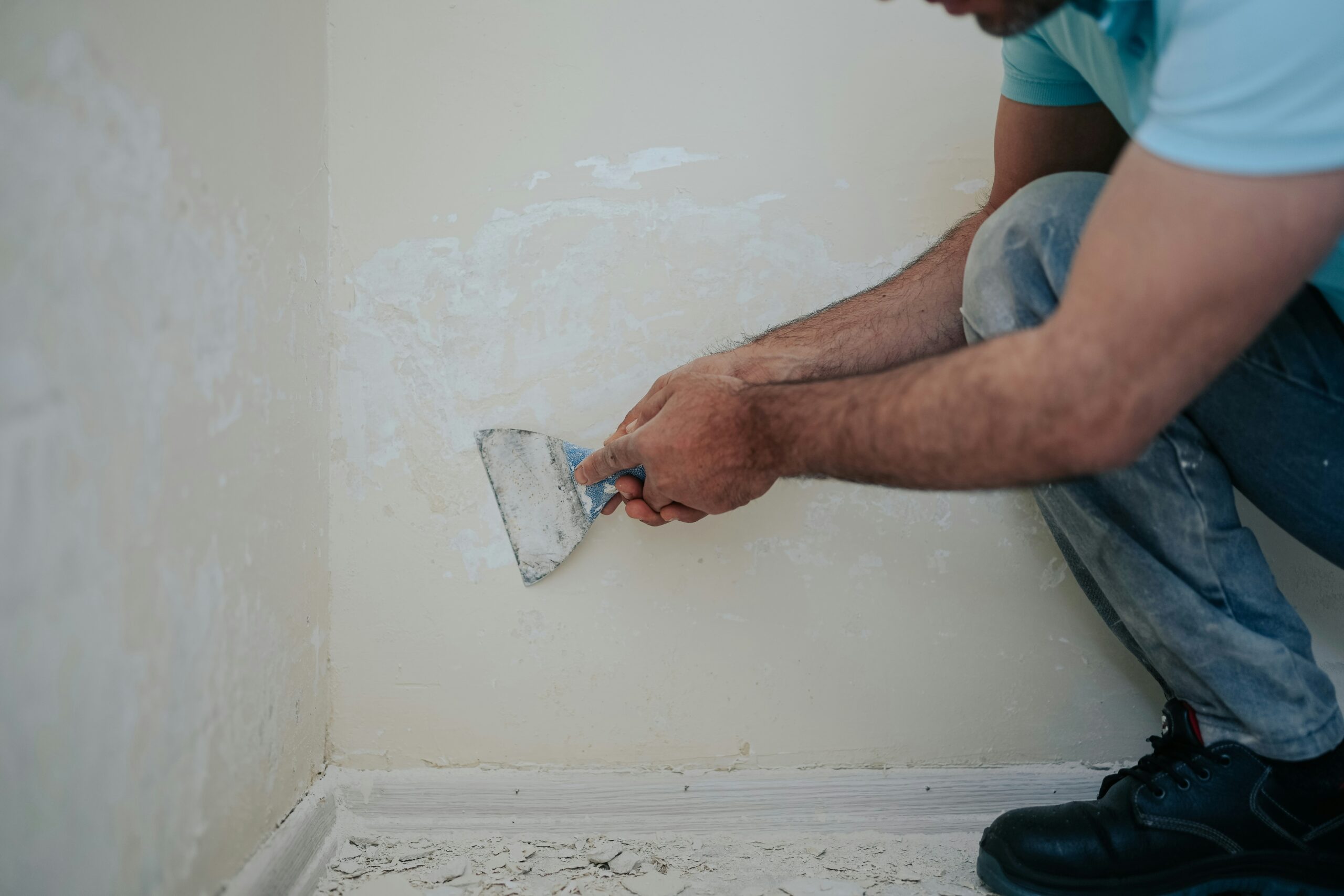
- Scrape off softened paint with a putty knife, stiff brush, or wire tool.
- For stubborn paint, soda blasting or sandblasting may be necessary.
- Rinse thoroughly and inspect for remaining spots.
How to Remove Paint from Cement Statues and Decorative Elements
Cement statues and decorative elements need delicate handling to preserve their detail.
- Apply a mild citrus-based or soy-based stripper to the painted areas.
- Use a toothbrush or small detailing brush to scrub paint gently from crevices.
- Rinse with low-pressure water, avoiding harsh sprays that can erode details.
- Repeat the process carefully until the surface is paint-free.
Eco-Friendly Paint Removal for Cement
For small spots and light stains, eco-friendly methods offer a safer and greener alternative. These work best on fresh spills or single coats of paint rather than thick or layered coatings.
- Heat white vinegar and apply it with a sponge or cloth to soften paint; let it sit 10–15 minutes before scraping.
- Create a baking soda paste with water, apply it to the stain, and let it sit for 20–30 minutes before scrubbing with a stiff brush.
- Use citrus-based biodegradable removers, letting them sit according to directions before wiping or rinsing.
While slower than chemical or mechanical methods, eco-friendly solutions are ideal for households with pets or children and for outdoor areas where runoff might affect plants.
Comparing Paint Removal Methods
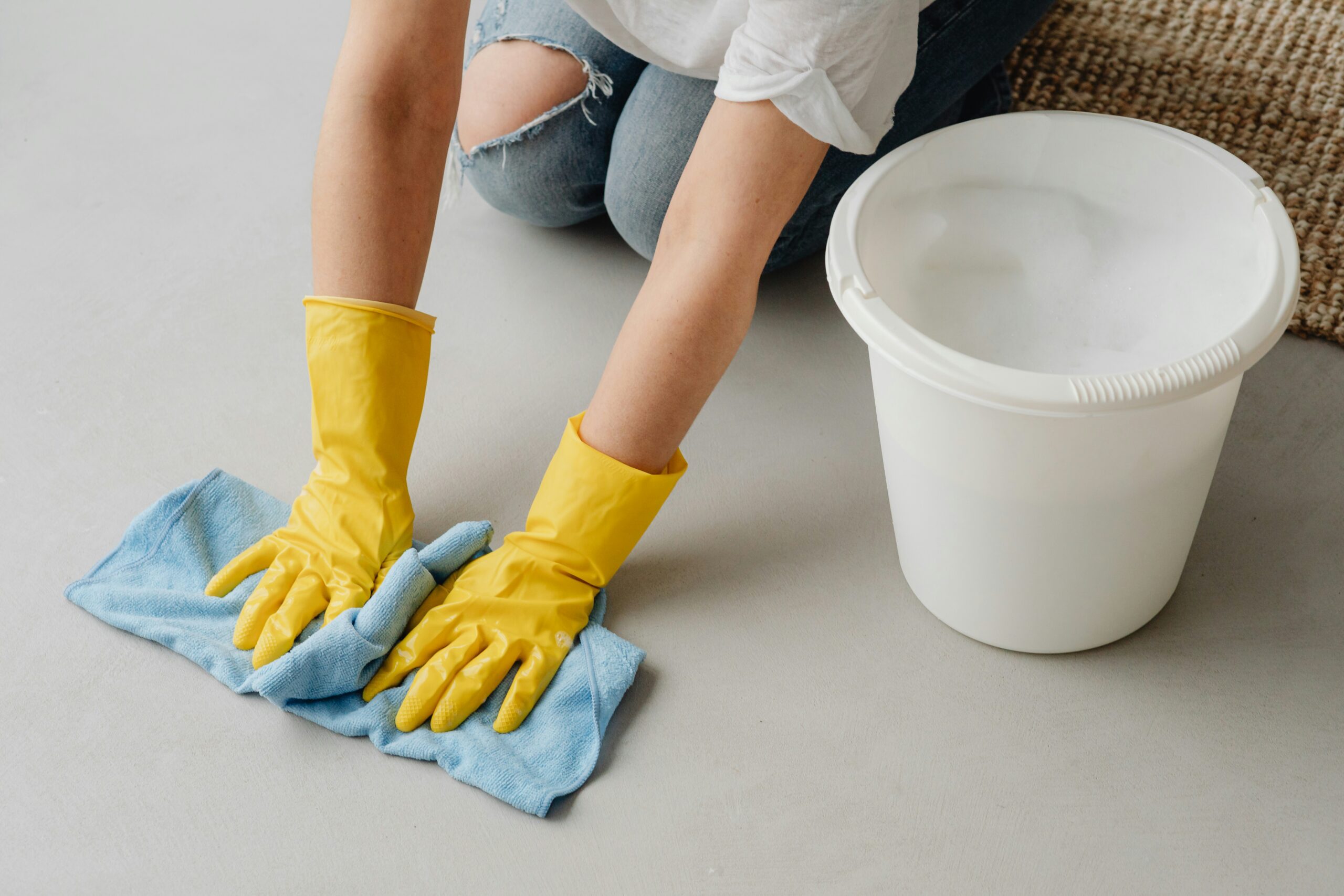
Chemical strippers are strong and effective but can be messy and hazardous if not handled properly. Mechanical methods like grinding, blasting, or sanding are powerful and efficient for large surfaces but can damage cement if overused. Eco-friendly methods are the safest but often slow and limited in scope. The best choice depends on the size of the job, the type of paint, and the desired outcome.
Tips for Successful Paint Removal on Cement
Paint removal on cement can be frustrating, but a few best practices will improve your success:
- Address paint spills immediately before they have time to cure deeply.
- Test a small, hidden section of cement before treating the whole area.
- For driveways or patios, divide the work into smaller sections for better control.
- Always rinse and neutralize chemicals completely before resealing.
- Once the paint is gone, apply a sealer to protect against future stains and make future cleanups easier.
When to Call the Professionals
Some cement paint removal projects are simply too large or complex for DIY. Professionals are the right choice when:
- The project covers a large area, like a driveway, garage floor, or entire patio.
- Multiple layers of paint are present and require heavy-duty equipment.
- Decorative or historic cement features need careful restoration.
- Lead paint is suspected, requiring certified handling and safe disposal.
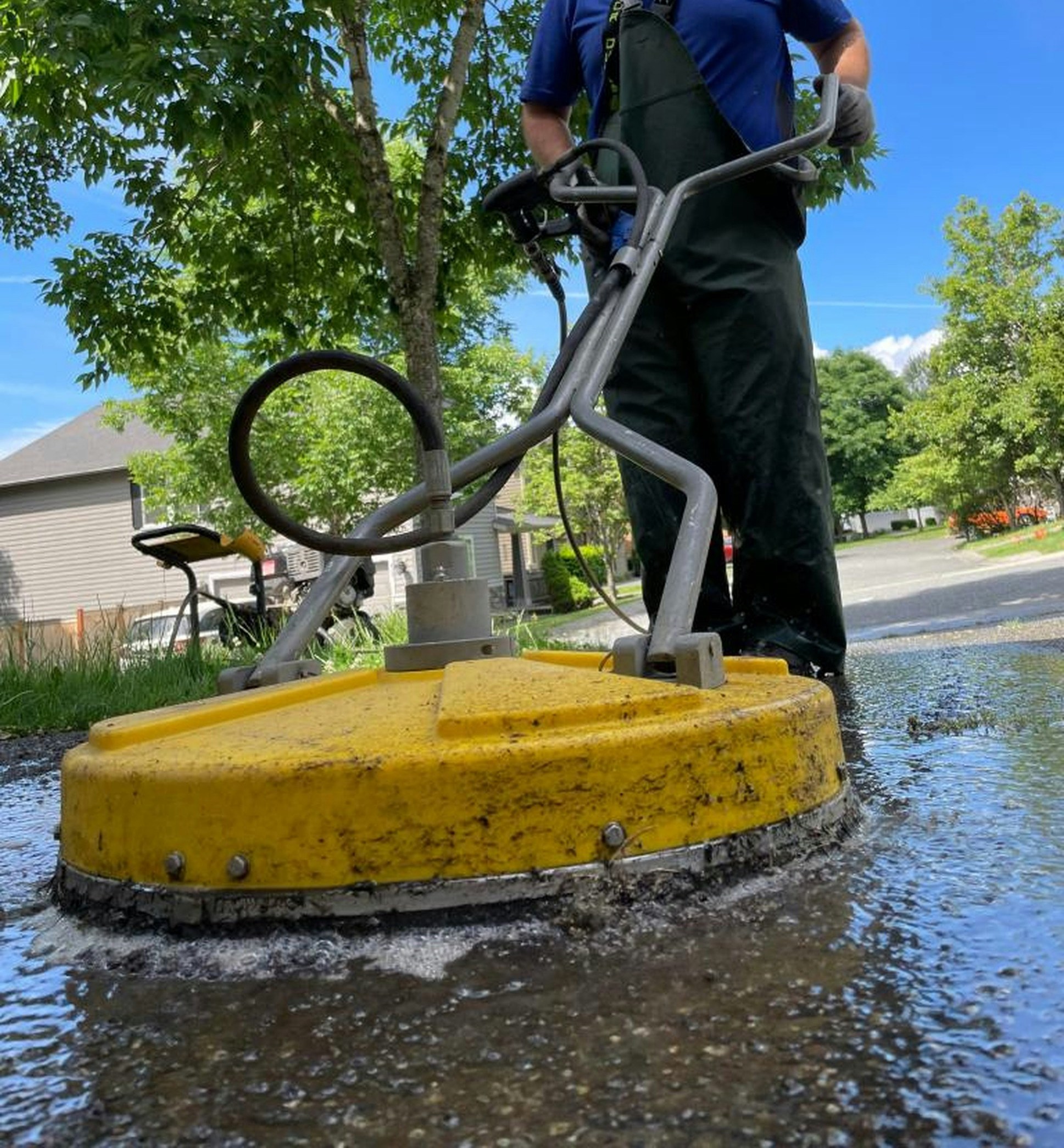
Professional painters use specialized tools like soda blasting machines, industrial grinders, and commercial-grade solvents to achieve fast and thorough results. While hiring pros adds cost—often a few hundred to several thousand dollars depending on scope—it saves time, reduces risk of damage, and produces longer-lasting outcomes.
Key Takeaways
- Cement’s porous surface makes paint removal difficult but manageable.
- Floors, porches, walls, and decorative elements all need tailored methods.
- Chemical, mechanical, and eco-friendly solutions each have pros and cons.
- Professionals deliver safer, faster results for large or complex projects.
- Sealing cement after paint removal prevents future issues.
FAQs About Removing Paint from Cement
How do you remove dried paint from cement?
Dried paint bonds tightly with cement, often requiring a combination of methods. For small spots, acetone, vinegar, or a baking soda paste can loosen the bond. Larger areas usually demand chemical strippers or mechanical grinding. Be prepared to repeat steps and seal the surface afterward.
What is the best product for removing paint from cement?
Solvent-based strippers are powerful and effective, breaking down most paints quickly. For safer alternatives, soy-based or citrus-based removers are less toxic and more environmentally friendly, though slower. Gel or paste formulas are especially useful for vertical walls or textured cement.
Can you remove paint from cement without chemicals?
Yes, but it typically requires more effort and equipment. Options include sanding, grinding, pressure washing, or blasting. These methods avoid chemicals but can create dust and may roughen the cement surface. Always wear protective equipment and consider sealing the surface after removal.
Will a pressure washer remove paint from cement driveways or patios?
A pressure washer can remove some paint, especially newer or thinner coats. For older paint, combining pressure washing with a stripper is often more effective. Use caution with nozzle settings to avoid etching the cement, and work in sections to control water runoff.
Is it safe to remove paint from cement statues or decorative items?
Yes, but caution is required. Gentle products like citrus-based strippers and small tools such as toothbrushes work best. Avoid high-pressure water or harsh chemicals that could erode delicate details. Patience is key when restoring decorative cement features.
Related Reading
- Exterior House Painting Tips for Every Season
- Interior Painting Tips: What You Need to Know
- How Lighting Impacts Paint Color
Final Thoughts: Restoring Cement Surfaces Made Easy
Removing paint from cement is a project that requires the right balance of tools, time, and patience. From garage floors to block walls, each surface demands a slightly different approach. For small jobs, DIY methods may suffice, but larger or more delicate projects often benefit from professional expertise. Taking the proper steps ensures that cement surfaces look clean, fresh, and ready for a new finish.
If you’re planning to repaint or seal your cement after paint removal, proper preparation will extend the life of your new coating and prevent peeling or staining in the future.
Get a Quote from Paintzen Today
Need help restoring your cement floors, porches, or walls? Contact Paintzen today for a free estimate and let our professional painters handle the hard work for flawless results.