

Executive Summary
Paint takes significantly longer to dry during the winter due to lower temperatures and higher humidity levels. Interior projects typically require additional hours between coats, while exterior painting may stretch into days if conditions are too cold or damp. With the right products, such as cold-weather paints, and techniques like controlled ventilation and heating, it is still possible to achieve strong results in winter. However, homeowners should carefully weigh the risks and benefits of painting outdoors in cold weather. Professional painters know how to adjust schedules and materials to make winter projects successful.
Introduction
Many homeowners wonder: will paint dry in cold weather? Winter’s shorter days, cold air, and moisture present unique challenges for painting projects. While interior painting is still common during the colder months, exterior painting requires more planning and specialized products. Understanding how temperature and humidity affect drying times helps homeowners decide whether winter painting is worth pursuing.
How Long Does It Take for Paint to Dry in the Winter?
Factors That Affect Drying Time
Paint drying is influenced by several factors, including temperature, humidity, paint type, and airflow. Water-based paints may take up to twice as long to dry in cold conditions compared to warm weather. Oil-based paints also slow significantly, requiring extended cure times. Poor ventilation or high indoor humidity can extend drying, while the use of fans and dehumidifiers can help accelerate the process indoors.
Interior Paint Drying Times in Winter
Indoors, latex paints usually dry to the touch within 2–4 hours in summer. In winter, this often doubles, requiring 6–8 hours or more between coats. Trim, doors, and high-gloss finishes may take longer. With indoor heating and proper airflow, drying times can be improved, but homeowners should still plan for additional time before recoating or moving furniture.
Exterior Paint Drying Times in Winter
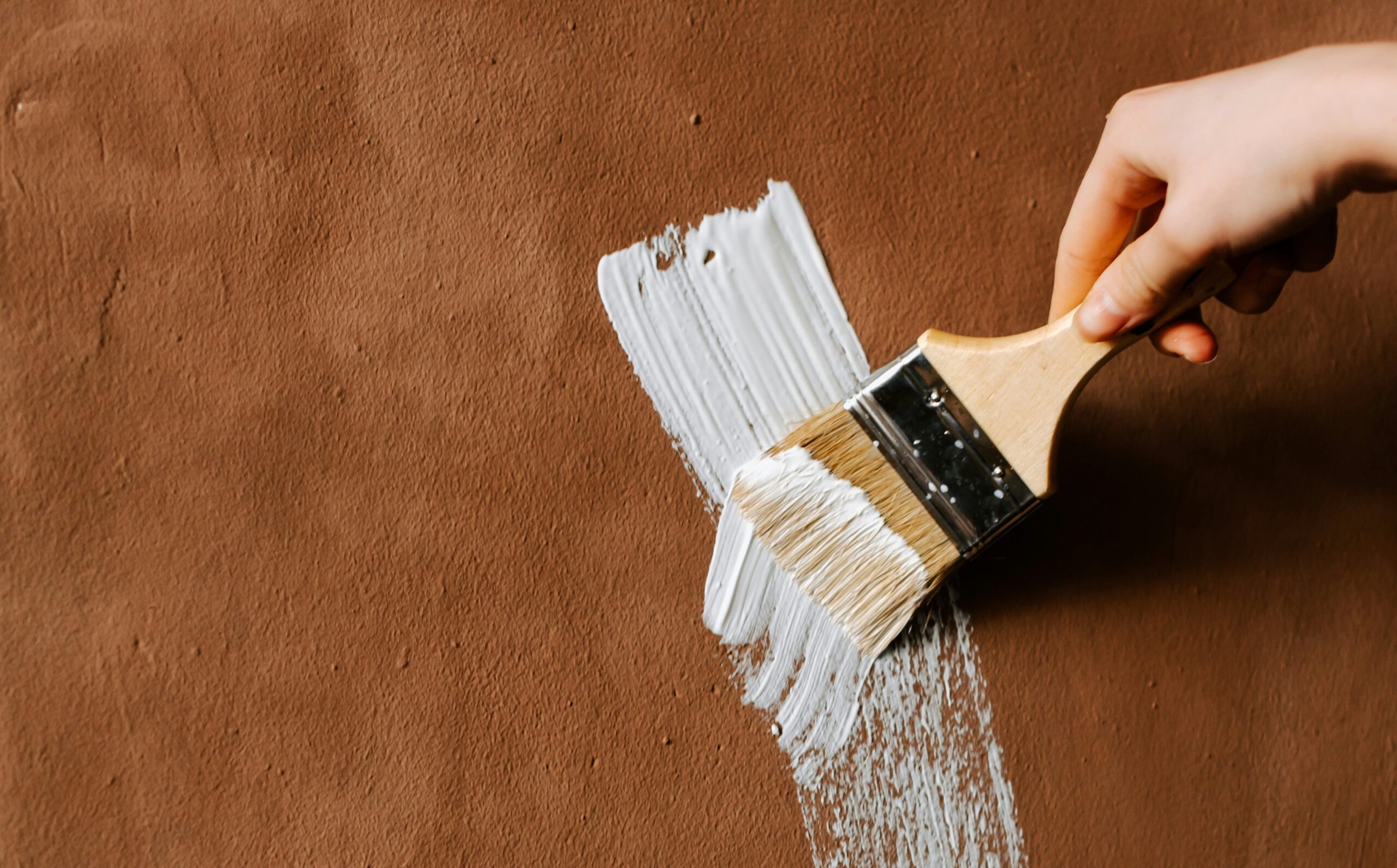
Exterior painting in winter is more complicated. Standard paints require temperatures above 50°F to cure properly, and anything colder can lead to peeling, cracking, or poor adhesion. Even with cold-weather paint formulations, drying times may extend to 24–48 hours between coats. Conditions like frost, dew, or snow can interrupt curing entirely, making exterior projects riskier during winter months.
Can You Paint in the Winter?
Benefits of Interior Painting in the Winter
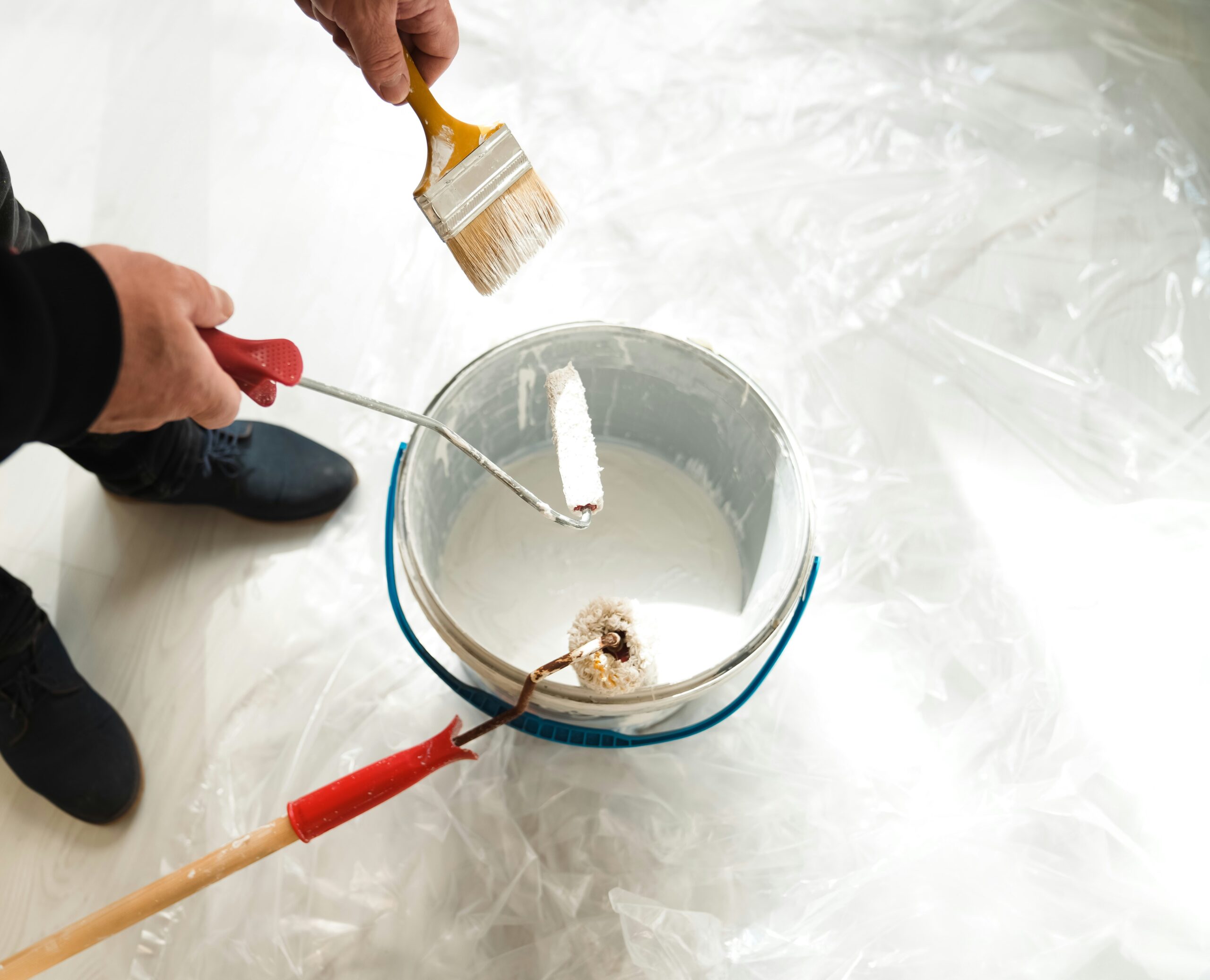
Winter is an excellent time for interior projects. Since work happens indoors, weather isn’t a factor, and painting crews often have greater availability. Many contractors offer discounts or promotions during the slower season, making winter painting cost-effective. Homeowners can also take advantage of the holiday season downtime to refresh interiors.
Challenges of Painting Outdoors in the Winter
Painting outside in winter presents serious challenges. Paint may not adhere properly in freezing conditions, leading to early failure. Cold air slows down curing, meaning multiple days may be required between coats. Professional painters use cold-weather paints, moisture meters, and careful scheduling to mitigate these risks, but for many regions, waiting until spring is a smarter option.
Does Paint Dry Faster in Cold or Hot Weather?
Science Behind Temperature and Paint Curing
Paint dries when solvents or water evaporate and the resins harden. Heat accelerates this process, while cold slows it down. In hot weather, paint dries too quickly, which can cause cracks. In cold weather, it dries too slowly, which can trap moisture and prevent proper adhesion. Ideally, paint cures best in moderate conditions between 50°F and 85°F with balanced humidity.
Regional Considerations for Winter Painting
Northeast & Midwest
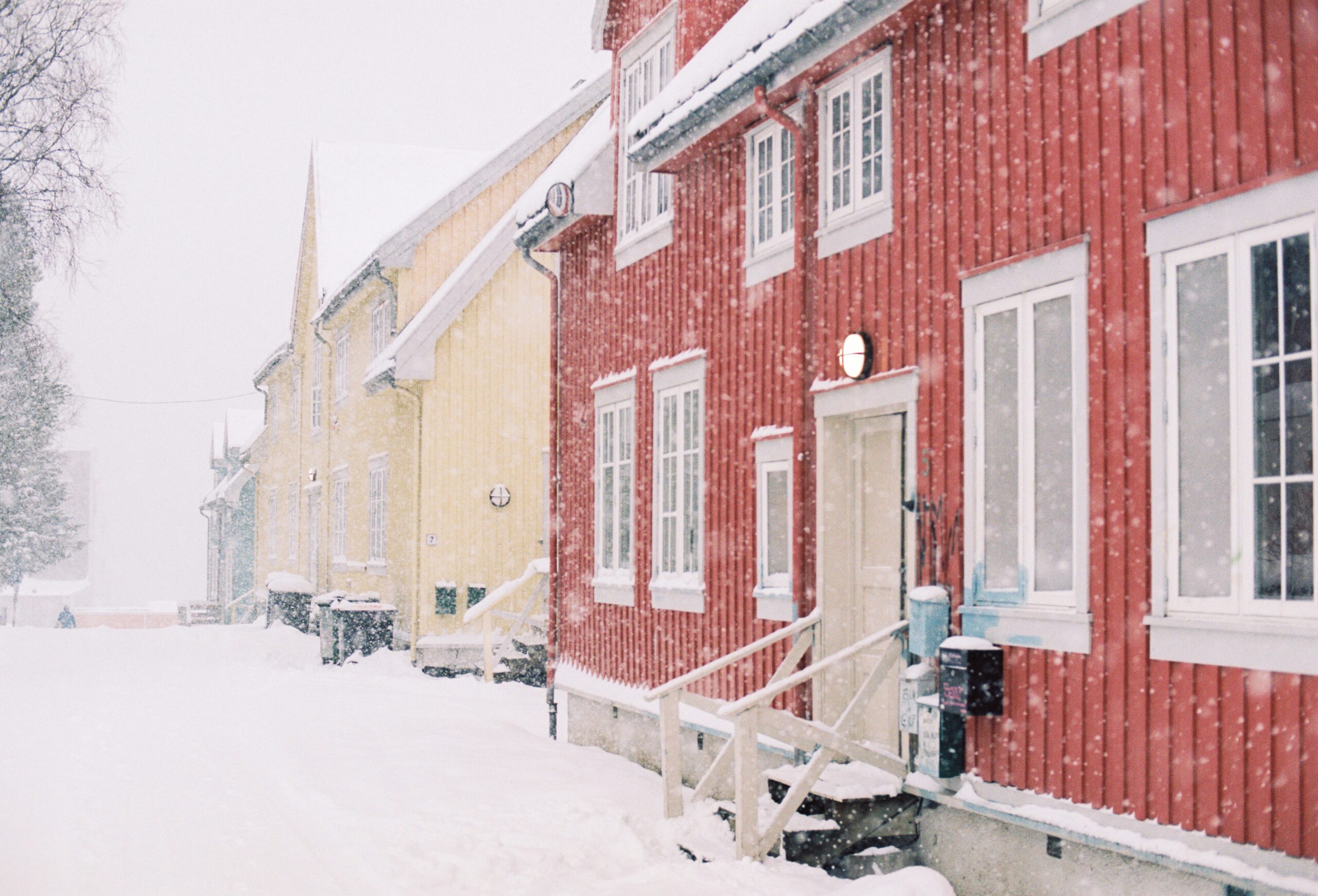
These regions experience harsh winters with freezing temperatures, snow, and ice. Exterior painting is usually not advised. Interior projects are far more practical during these months.
South
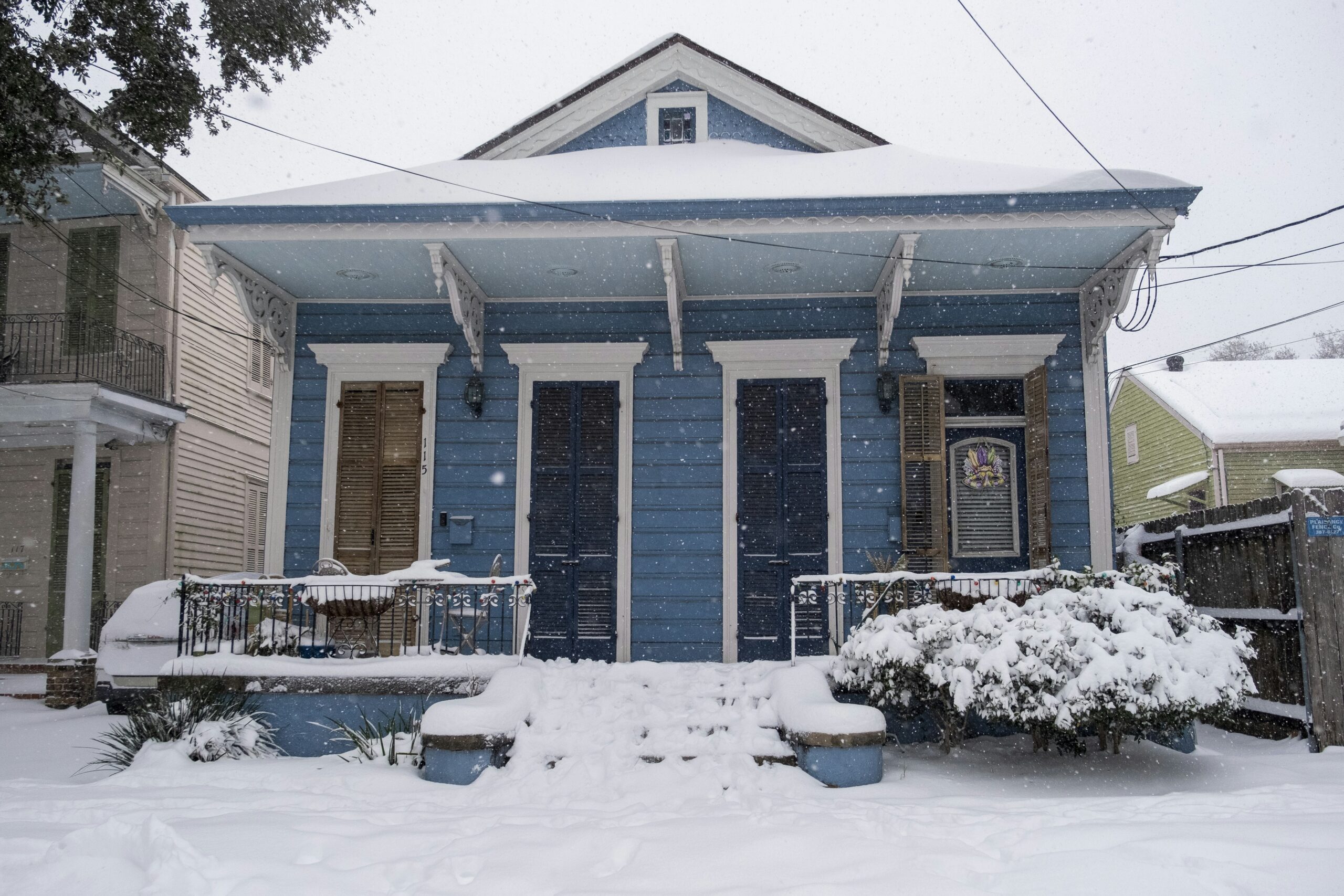
Milder winters make exterior painting possible in some southern states. However, fluctuating temperatures and occasional cold snaps still require careful scheduling.
West & Northwest
Winter rains and damp conditions make exterior painting difficult. Mold and mildew concerns also increase, requiring specialized products for success.
Mountain States
High-altitude regions experience extreme cold and snow, making outdoor painting challenging. UV exposure is also strong year-round, so paint must be formulated for durability once applied in warmer months.
Key Takeaways
- Paint takes significantly longer to dry in winter—especially outdoors.
- Interior painting is the most practical winter project.
- Cold temperatures slow drying and risk poor adhesion.
- Using cold-weather paints and professional techniques improves results.
- For exteriors, waiting until spring is often the safest choice in most regions.
FAQs About Paint Drying in the Winter
How long does it take for paint to dry in cold weather?
In winter, water-based paint may take 6–8 hours or longer to dry between coats indoors. This means that a project that might normally be completed in one day during warmer months could stretch over several days in the cold. Outdoors, drying can take 24–48 hours depending on conditions, and even longer if temperatures hover near freezing. Homeowners should plan for extended timelines and avoid rushing coats, as this can compromise durability.
Will paint dry in the cold if temperatures stay below freezing?
No. Paint cannot properly cure if temperatures are below freezing. Instead of bonding to the surface, it may remain tacky or brittle and will likely peel or crack within weeks. Some cold-weather paints can tolerate lower temperatures, but even these have minimum application thresholds. Attempting to paint in freezing conditions is almost always a wasted effort that will require repainting in spring.
Can you paint indoors in the winter without issues?
Yes, interior painting is very doable in winter as long as you plan ahead. With controlled heating and ventilation, indoor painting is safe and effective. Using fans, dehumidifiers, and open windows for airflow helps paint dry more evenly. Homeowners should allow extra drying time between coats—usually twice as long as in summer—to prevent smudges or poor adhesion. With the right preparation, winter can be the perfect time to refresh a home’s interior.
Can you paint exterior surfaces in the winter?
In some mild climates, yes—but most regions are too cold for reliable exterior painting in winter. Even when using cold-weather paints, temperatures typically need to stay above 35–40°F for the coating to cure. Moisture from snow, frost, and dew can further complicate projects, making it risky. Professionals who attempt winter exterior work often plan around daytime highs and use additives to improve adhesion, but it is not recommended for DIYers.
What’s the best way to speed up drying time in winter conditions?
Indoors, the best way is to create a controlled environment. Use heaters to maintain consistent room temperatures, fans to circulate air, and dehumidifiers to reduce moisture. Choosing paints specifically formulated for low-temperature application also helps. Outdoors, schedule painting on warmer days above 50°F, and only paint when surfaces are dry and frost-free. Patience is key—trying to force paint to dry too quickly in cold weather can compromise the finish.
Related Reading
- Exterior House Painting Tips for Every Season
- How Lighting Impacts Paint Color
- Interior Painting Tips: What You Need to Know
Final Thoughts: Plan Ahead for Winter Painting Success
Painting during the winter requires more patience and planning than at other times of year. Interior projects are generally the safest option, as they can be completed in a controlled environment with proper heating and ventilation. Exterior painting in winter, while possible in milder climates, carries a much higher risk of failure if conditions are not ideal. Homeowners who want to paint in winter should consider the type of project, their region’s climate, and the availability of cold-weather paints. Above all, working with professional painters ensures that the right products and techniques are used, helping your paint job look beautiful and last for years.
Get a Quote from Paintzen Today
Don’t wait for warmer weather to refresh your home. Contact Paintzen today for a free quote and let our professionals guide you through a safe and successful winter painting project.