

Executive Summary
Epoxy basement flooring is gaining popularity as homeowners look for durable, low-maintenance, and moisture-resistant alternatives to bare concrete. A properly installed epoxy floor can transform a dark, damp basement into a clean, functional, and attractive space. This guide explores the benefits, costs, waterproofing advantages, and maintenance tips for epoxy flooring in basements. It also examines DIY versus professional installation and answers common questions to help you decide if epoxy is the right solution for your home.
What is Epoxy Basement Flooring?
Definition and How It Works in a Basement Setting
Epoxy flooring is a coating created by combining resin and hardener, forming a tough, plastic-like surface. In basements, epoxy serves as a protective barrier that resists stains, impacts, and moisture. It provides both a functional and aesthetic upgrade to traditional concrete slabs, which are often prone to cracking and dusting.
Epoxy vs. Epoxy Paint
A common misconception is that epoxy flooring is the same as epoxy paint. True epoxy involves a two-part chemical process that bonds to concrete, creating a strong, long-lasting surface. Epoxy paint, on the other hand, contains only a small amount of epoxy resin and functions more like standard paint. For basements, a full epoxy coating offers significantly better durability and moisture protection.
When It’s a Good Option for Homeowners
Epoxy basement flooring is ideal for homeowners who want to create a clean, finished look while protecting against moisture-related issues. It works well in both storage spaces and basements converted into living areas. However, proper surface preparation and, in some cases, additional waterproofing measures are critical for long-lasting success.
Benefits of Epoxy Floors in Basements
Moisture and Mold Resistance
One of the biggest challenges with basements is moisture. Epoxy provides a non-porous surface that resists water penetration, helping reduce the risk of mold, mildew, and musty odors. This makes basements safer and healthier environments for storage and living. By keeping moisture out, epoxy helps protect the integrity of the concrete itself.
Durability for Storage and Living Areas
Basement floors often endure heavy storage items, furniture, or recreational use. Epoxy stands up to impacts and scratches, ensuring the floor remains intact and attractive even in high-use spaces. It is resistant to wear from foot traffic, making it a good option for converted living areas. Its strength also makes it ideal for homeowners who use basements as workshops or gyms.
Easy Cleaning and Maintenance
Dust, dirt, and spills are easy to clean off epoxy floors. Because the coating seals the concrete, it prevents dust from rising and makes sweeping or mopping much simpler. Spills that would normally soak into untreated concrete sit on the surface, allowing for easy cleanup. This makes epoxy both convenient and time-saving for busy homeowners.
Appearance and Light Reflection
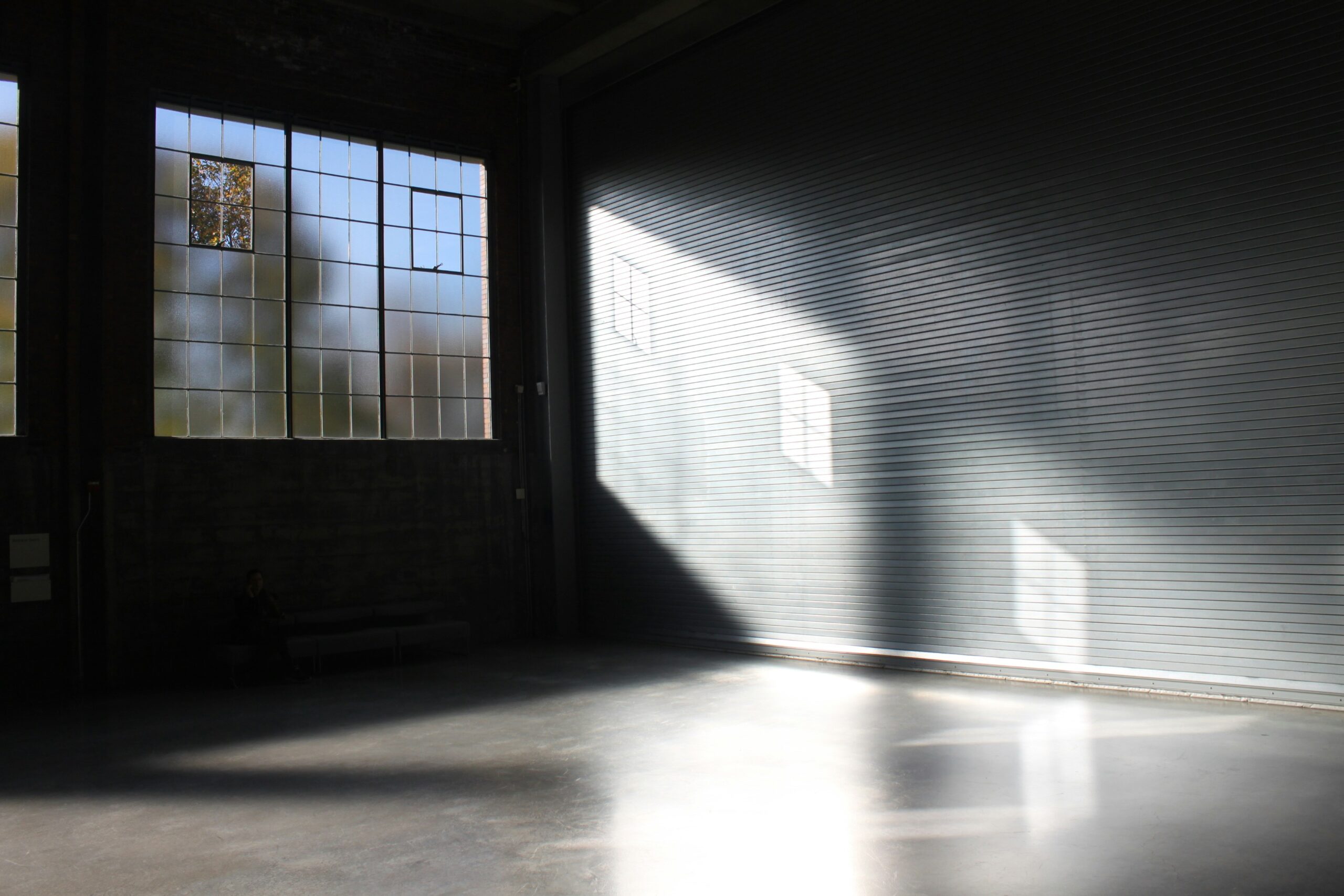
Epoxy comes in a range of finishes and colors, allowing homeowners to brighten and personalize their basements. The glossy finish also reflects light, making spaces feel larger and less confined. This effect can help turn a dark basement into a welcoming extension of the home. Decorative flakes or metallic finishes further add style and visual interest.
Cost-Effectiveness Over Time
Although epoxy requires an initial investment, its long lifespan and low maintenance needs make it more cost-effective compared to constantly repairing or refinishing untreated concrete. When professionally installed, epoxy may last over a decade, reducing the need for costly replacements. Its resistance to damage also minimizes repair expenses. Over time, this makes epoxy one of the most affordable flooring options for basements.
Are Epoxy Floors Good for Basements?
Advantages Compared to Bare Concrete
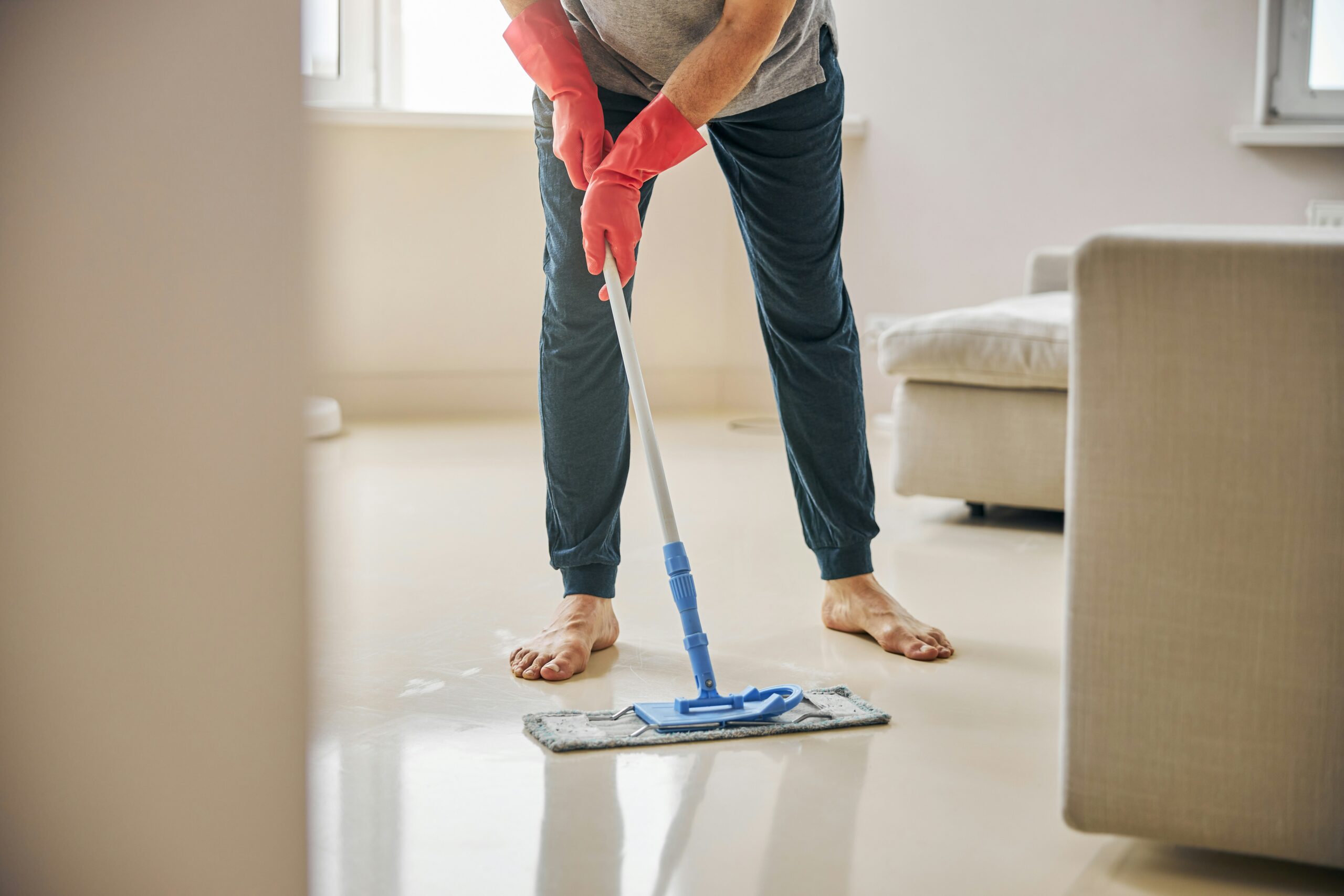
Epoxy offers strength, waterproofing, and design flexibility that bare concrete lacks. It not only prevents dust and staining but also creates a more livable and appealing environment. Bare concrete can look unfinished, while epoxy adds polish and brightness. Overall, epoxy makes basements more functional and enjoyable to use.
Limitations in Certain Basement Conditions
In basements with severe water intrusion, epoxy alone may not be enough. Additional waterproofing, such as drainage systems or vapor barriers, may be necessary before applying epoxy. Without these, epoxy may peel or bubble due to water pressure. Homeowners should always address underlying water problems before investing in epoxy.
When to Consider Alternatives
If your basement experiences frequent flooding or structural issues, alternative flooring types like vinyl planks or tile may be better suited. Epoxy performs best in basements with manageable moisture conditions. For severely wet basements, tile or raised flooring solutions may last longer. Always match flooring to your basement’s unique conditions for best results.
Waterproofing Benefits of Epoxy Basement Flooring
How Epoxy Protects Against Moisture
Epoxy’s seamless, non-porous finish helps block water from seeping into the concrete slab. This protection is particularly valuable in basements where ground moisture can cause long-term damage. By reducing absorption, epoxy helps maintain a stable indoor environment. This makes it a strong choice for basements prone to minor dampness.
Reducing the Risk of Mold and Mildew
By minimizing water absorption, epoxy reduces the likelihood of mold and mildew growth. This creates a healthier basement environment and helps protect stored items or furniture from moisture damage. Mold prevention is especially important for finished basements where people spend time. With epoxy, basements remain fresher and easier to maintain.
When Additional Waterproofing Is Necessary
While epoxy improves water resistance, it’s not a cure-all for significant water problems. Homes with chronic basement leaks may require sump pumps, drainage systems, or vapor barriers before applying epoxy for best results. Pairing epoxy with these systems ensures maximum protection. Addressing water at the source first is always the best strategy.

Cost of Epoxy Flooring for Basements
Average Pricing per Square Foot
Epoxy basement floors typically cost between $3 to $12 per square foot, depending on materials, labor, and finishes. Larger basements or those needing extensive preparation may cost more. Decorative options can also add to the price but enhance aesthetics. Overall, epoxy is competitively priced compared to many other durable flooring choices.
Cost Factors
Factors influencing price include surface preparation, moisture treatment, number of coats, and decorative elements like flakes or metallic finishes. Labor costs also vary based on location and project complexity. Complex jobs requiring crack repair or grinding increase expenses. Choosing professional installation may raise upfront costs but improves results.
DIY Kit Costs vs. Professional Installation
DIY kits may cost $200–$500 for a standard basement, but results are often less durable. Professional installations, while more expensive, usually last longer and provide better protection against moisture. DIY is best for small areas or temporary solutions. Professionals provide warranties and higher-grade materials that maximize lifespan.
DIY vs. Professional Epoxy Basement Floors
Can I Epoxy My Basement Floor?
Yes, homeowners can attempt epoxy installation with DIY kits, but the process is labor-intensive. Without proper prep, DIY results often fail prematurely. Professional installation provides a more consistent and polished look. It also minimizes risks like peeling, bubbling, or uneven curing.
How Hard Is It to Epoxy a Basement Floor?
Epoxy application requires surface cleaning, crack repair, and precise mixing. It’s physically demanding and can be complicated by basement ventilation issues. The curing process also takes time, which can inconvenience homeowners. Overall, it’s a challenging project better left to those with experience.
Tools and Safety Considerations
DIY epoxy work requires protective gear, proper ventilation, and specialized tools like grinders or rollers. Safety is crucial since epoxy involves strong chemicals that emit fumes. Professionals have the equipment to handle these hazards safely. Without proper precautions, DIY epoxy can pose health risks.
Why Professional Installation is Often Recommended
Professionals have the expertise to assess moisture conditions, prep surfaces properly, and apply coatings evenly. This results in a stronger bond and longer-lasting finish that resists peeling and bubbling. They can also identify issues that DIYers may overlook. Ultimately, professional work offers better value for the investment.
Common Basement Epoxy Flooring Mistakes
Skipping Moisture Testing
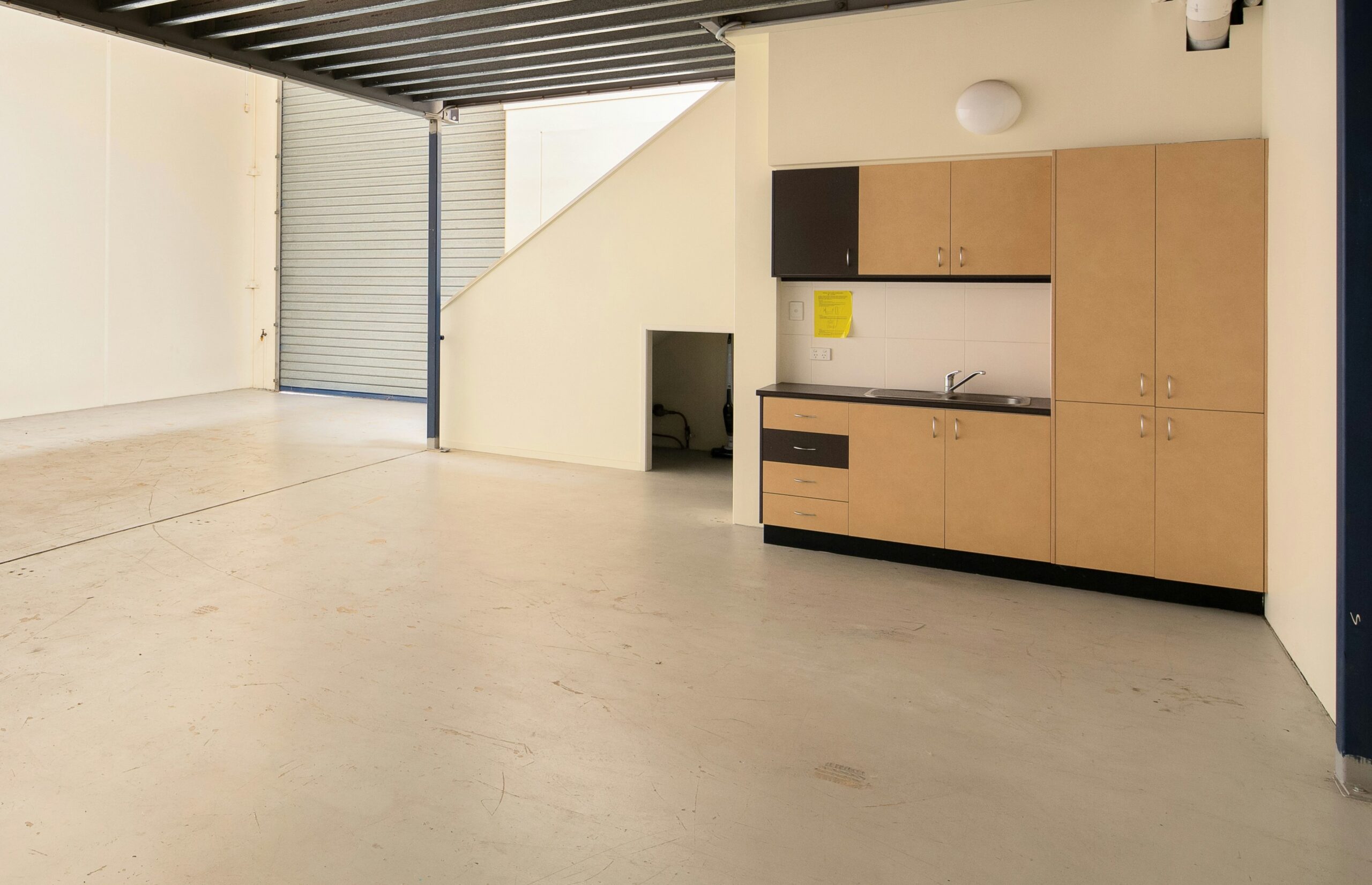
Moisture is the biggest risk for epoxy adhesion. Failing to test can lead to peeling, bubbling, and wasted investment. Even small amounts of hidden moisture can compromise results. Testing helps avoid costly failures down the line.
Improper Prep Leading to Peeling
If the concrete isn’t properly cleaned, etched, or repaired, epoxy won’t bond correctly. Rushing this step almost always results in flooring failure. Prep is often the most time-consuming but also the most important part of the process. Taking shortcuts guarantees problems later.
Using the Wrong Type of Epoxy or Paint
Confusing epoxy paint with a true epoxy coating is a common mistake. Epoxy paint won’t provide the same moisture resistance or durability. Homeowners should always confirm they’re using a true two-part epoxy system. Using the right product ensures long-term success.
How Long Does an Epoxy Basement Floor Last?
Expected Lifespan with DIY vs. Professional Installations
DIY epoxy basement floors may last 3–5 years, while professional installations often last 10–15 years or longer. Longevity depends heavily on prep work and environmental conditions. Professionally installed floors tend to handle moisture better. Investing more upfront usually pays off with fewer replacements.
How Maintenance Affects Longevity
Regular cleaning, avoiding harsh chemicals, and addressing minor damage promptly all extend the life of an epoxy basement floor. Recoating as needed helps maintain a glossy, protective surface. Preventing moisture problems also adds years of use. With good care, epoxy remains attractive and functional for over a decade.
Maintenance Tips for Epoxy Basement Floors
Routine Cleaning and Spill Prevention
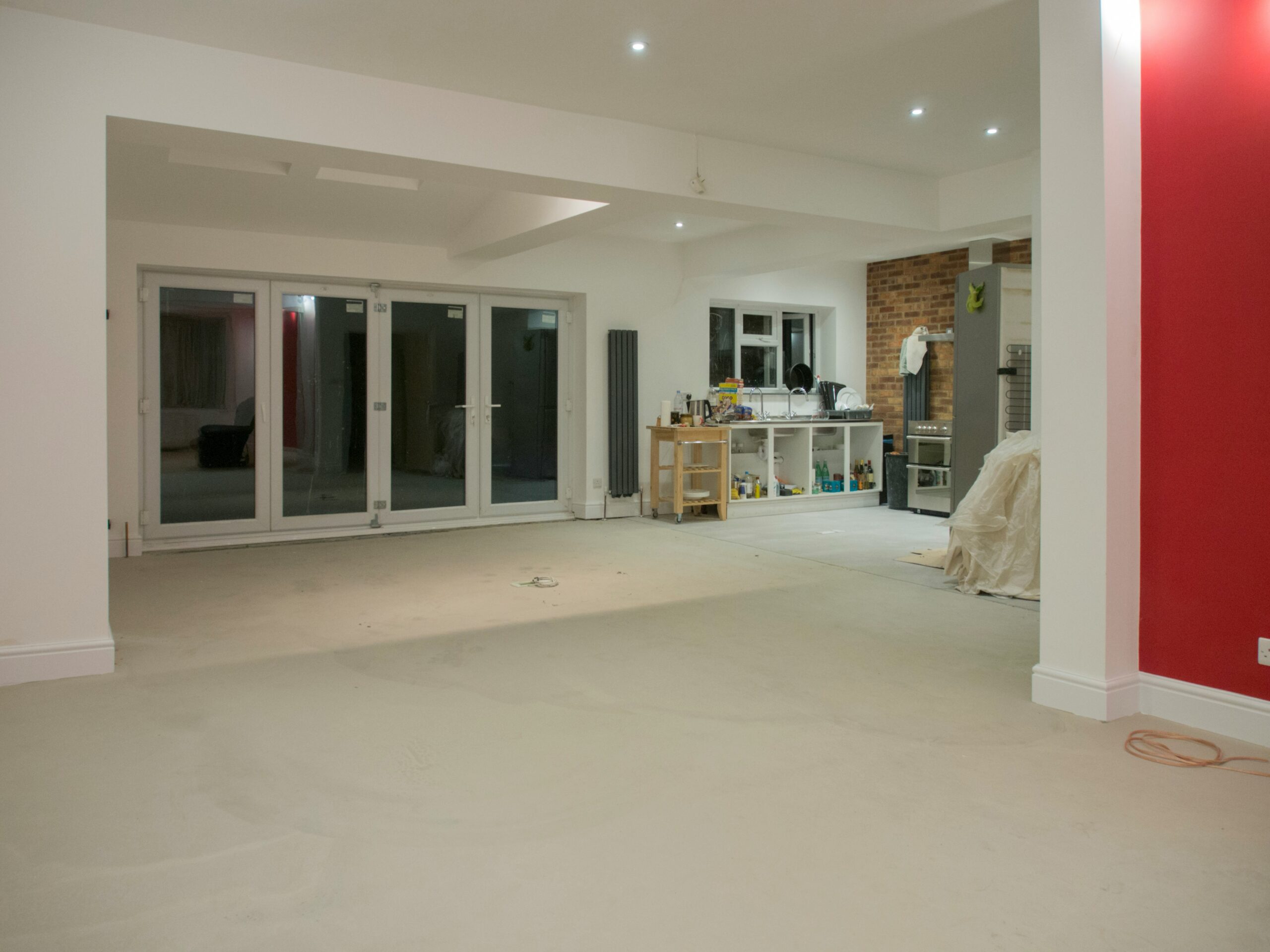
Sweeping, vacuuming, or mopping with mild soap is usually sufficient. Promptly clean up spills to prevent stains or surface dulling. Regular upkeep also keeps the finish looking glossy and new. Consistency is key to protecting your investment.
Protecting Against Heavy Furniture or Storage
Use felt pads or mats under heavy items to prevent scratches. Distributing weight evenly helps avoid pressure damage. Basements often hold bulky items, so these precautions make a difference. Small steps can greatly extend floor life.
When to Refresh or Recoat
Over time, epoxy may lose its shine. Applying a new topcoat can refresh the surface and extend its lifespan without requiring a full replacement. Recoating before major wear occurs helps maintain durability. This proactive step saves money in the long run.
Key Takeaways
- Epoxy is a durable, low-maintenance, and water-resistant option for basements.
- It’s best suited for basements with manageable moisture levels.
- Professional installation provides longer-lasting results than DIY kits.
- Proper maintenance extends the floor’s lifespan and preserves appearance.
Basement Epoxy Flooring FAQs
Should I epoxy my basement floor?
Yes, epoxy is a strong choice for basements if moisture is under control. It creates a durable, non-porous surface that resists stains, mold, and general wear. However, homes with major water problems may need additional waterproofing before epoxy is applied. Epoxy is most effective when combined with proper moisture management.
How much does it cost to epoxy a basement floor?
Costs typically range from $3 to $12 per square foot. DIY kits are cheaper but often less durable, while professional installations cost more upfront but last significantly longer and provide better moisture resistance. When evaluating costs, consider long-term savings from reduced repairs. Professional installations also add value to the home.
Can you epoxy a basement floor yourself?
Yes, DIY kits are available, but they require thorough preparation and safety precautions. Many homeowners attempt DIY and later find the results don’t last as long as professionally installed floors. Ventilation and protective gear are also essential to avoid health risks. For lasting results, hiring a professional is usually recommended.
How to prep a basement floor for epoxy?
Preparation involves cleaning the concrete, repairing cracks, and testing for moisture. Grinding or etching may be necessary to ensure the epoxy bonds properly. Using the right tools and techniques is essential for success. Skipping these steps is the leading cause of epoxy failure.
Is epoxy good for basement floors?
Yes, epoxy is excellent for basements because it resists moisture, stains, and impacts. It creates a clean, polished look and is easier to maintain than bare concrete. It also enhances lighting by reflecting brightness throughout the space. It’s especially good for basements used as living or recreational spaces.
How long does an epoxy basement floor last?
A professional epoxy installation can last 10–15 years or more, while DIY options often last only 3–5 years. Regular cleaning and occasional recoating will extend the floor’s lifespan. Addressing moisture problems early further increases longevity. With proper care, epoxy is one of the most reliable basement flooring options available.
Related Reading
Ready to Upgrade Your Basement?
Transform your basement with a sleek, moisture-resistant epoxy floor. Learn more about Paintzen’s epoxy flooring services and get started with a professional installation today.