

Executive Summary
Epoxy garage flooring has become one of the most popular upgrades for homeowners who want a durable, attractive, and low-maintenance surface. Unlike bare concrete or simple paint, epoxy creates a protective layer that resists stains, chemicals, and everyday wear and tear. This guide will walk you through everything you need to know about epoxy floors for garages, from the benefits and costs to the differences between DIY kits and professional installation. You’ll also find practical advice on preparation, maintenance, and how to avoid common mistakes. Whether you use your garage as a workshop, storage space, or simply a place to park your car, epoxy flooring can transform it into a cleaner, more functional environment.
What is Epoxy Flooring?
Definition and Materials
Epoxy flooring is a type of surface coating created by mixing a resin with a hardener. When combined, these components chemically bond to form a rigid, plastic-like material that adheres tightly to concrete. The result is a smooth, glossy finish that’s highly resistant to impact, moisture, and stains. This makes it especially well-suited for garages, where heavy vehicles, tools, and chemicals are common.
How It’s Applied
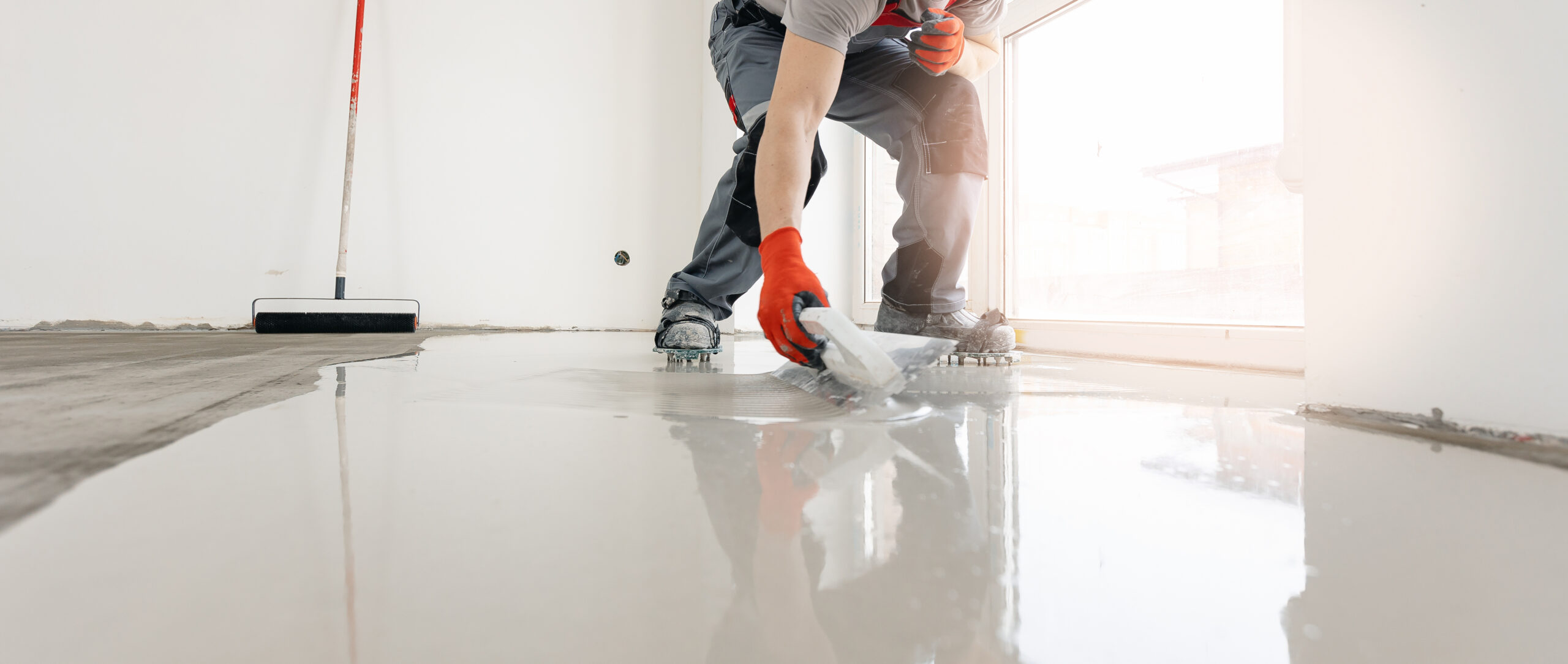
Applying epoxy flooring isn’t as simple as painting over concrete. The process begins with cleaning and prepping the surface, which often requires grinding, etching, or repairing cracks to ensure proper adhesion. Once the surface is ready, multiple layers of epoxy are applied — sometimes with decorative flakes or additives for slip resistance. Each layer needs time to cure, and the total installation can take a few days depending on the size of the garage and environmental conditions.
Where It’s Most Commonly Used
Although epoxy is versatile enough for basements, commercial warehouses, and industrial spaces, it’s most popular in residential garages. Homeowners choose it because it not only strengthens the floor but also dramatically improves the look of what is often one of the most-used entry points in a home. A properly installed epoxy floor can last for years with minimal upkeep, making it both a functional and aesthetic upgrade.

The Benefits of Epoxy Garage Flooring
Durability and Longevity
Epoxy flooring is incredibly tough and built to withstand heavy use. Unlike standard concrete, which can crack or chip over time, epoxy adds a protective layer that resists damage from vehicles, tools, and foot traffic. With proper installation and care, an epoxy garage floor can last 10 to 20 years, making it a long-term investment.
Chemical and Stain Resistance
Spills are common in garages, from motor oil and antifreeze to paint and household cleaners. Epoxy’s non-porous surface makes it resistant to stains and chemical damage. Most spills can be wiped up easily without leaving behind permanent marks or odors.
Safety and Slip Resistance
Epoxy flooring can be customized with anti-slip additives such as flakes, quartz, or grit. This makes the surface safer to walk on, especially when wet. Many homeowners appreciate the peace of mind that comes with reducing the risk of slips and falls.
Easy Maintenance
Because epoxy is smooth and seamless, cleaning is quick and simple. A broom, mop, or hose is often all that’s needed to keep the surface looking fresh. Dust and debris don’t cling to epoxy the way they do to untreated concrete, which reduces cleaning time.
Enhanced Appearance
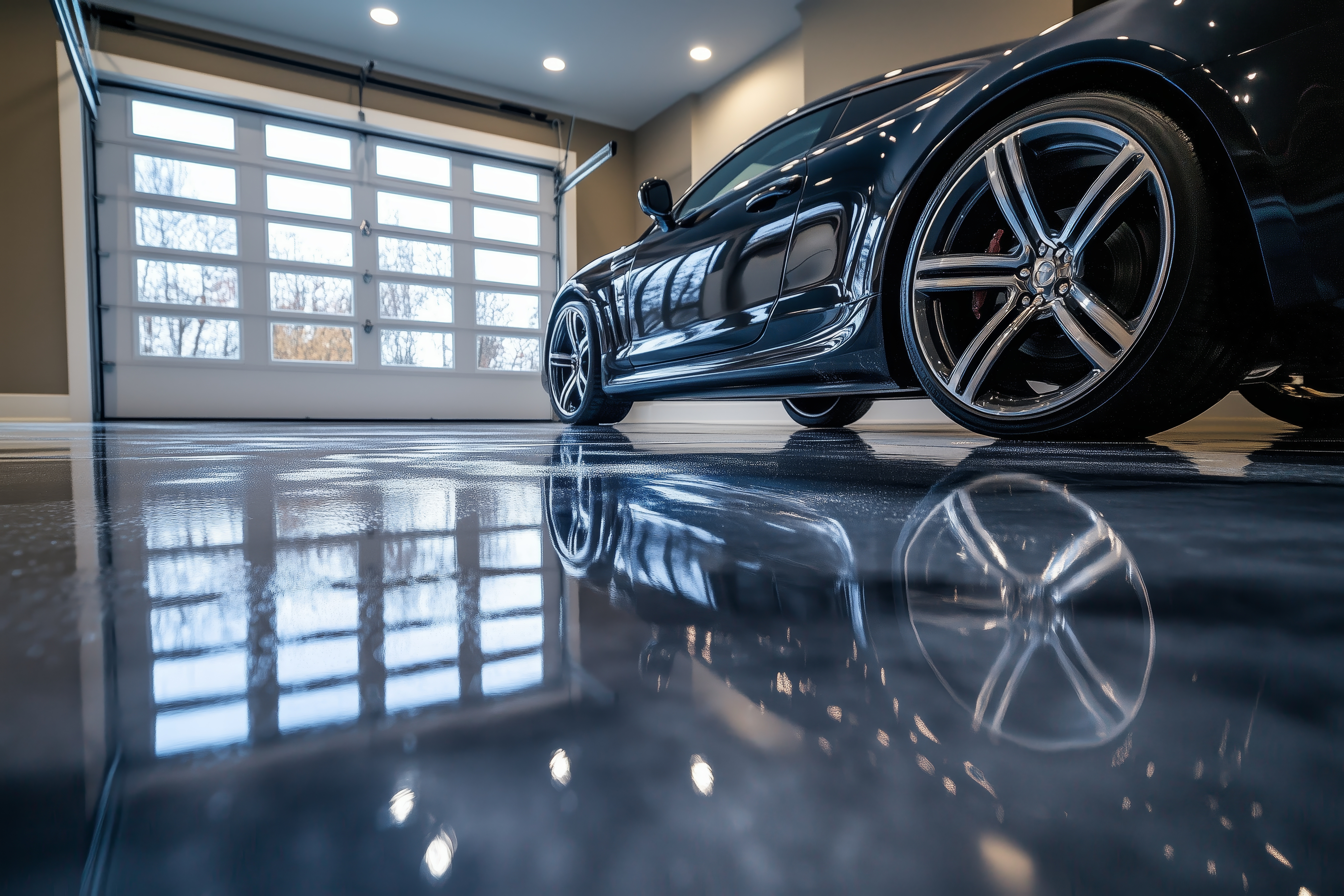
One of epoxy’s biggest selling points is its polished look. Available in a wide range of colors and finishes, epoxy can transform a dull concrete garage into a sleek, modern space. Decorative flakes or metallic finishes can also be added for a custom look.
Cost-Effectiveness Over Time
While epoxy flooring may require a higher upfront investment than simple paint or sealers, its long lifespan and low maintenance costs make it more affordable in the long run. You won’t need to reapply coatings every few years, saving both time and money.
Boosting Property Value
A finished garage with epoxy flooring can be an attractive feature for potential buyers. It gives the impression of a well-maintained home and can increase resale value.
Epoxy vs. Other Garage Floor Coatings
Epoxy vs. Concrete Sealers
Concrete sealers provide basic protection against moisture and staining but wear out faster than epoxy. They typically require reapplication every few years and don’t offer the same level of durability, which makes epoxy a more cost-effective and longer-lasting choice. Over time, epoxy can provide a more consistent finish that doesn’t require as much ongoing maintenance.
Epoxy vs. Polyurethane Coatings
Polyurethane coatings are flexible and UV resistant but not as thick or impact-resistant as epoxy. Many contractors use polyurethane as a topcoat over epoxy to enhance durability, making the combination a strong option for homeowners who want added protection. On its own, however, polyurethane doesn’t usually provide the same structural strength that epoxy delivers.
Epoxy vs. Garage Floor Paint
Standard garage floor paint is inexpensive but lacks the strength and chemical resistance of epoxy. Paint can chip and peel easily under vehicle traffic, while epoxy bonds directly with the concrete for a longer-lasting finish that requires less upkeep. Choosing epoxy over paint helps avoid frequent touch-ups and delivers a more professional result.
Epoxy Flooring for High-Traffic Spaces
Garages
The garage is the most common place for epoxy flooring. It can handle the weight of vehicles, resist oil stains, and create a professional-looking finish that holds up to daily use without showing signs of wear. For many homeowners, epoxy also helps keep the garage cleaner, since dust and dirt are less likely to settle into the floor.
Workshops and Utility Spaces
For homeowners who use their garage as a workspace, epoxy provides a surface that’s resistant to dropped tools, chemicals, and frequent foot traffic. It helps keep the area clean and functional, even when it’s heavily used. Because epoxy is easy to clean, it’s also ideal for projects that generate dust, debris, or spills.
Basements
While this guide focuses on garages, epoxy is also popular in basements. Its resistance to moisture and ability to create a clean, finished surface make it an attractive option for homeowners looking for a durable alternative to bare concrete. Epoxy can also brighten up basements, making them feel less industrial and more like usable living space.
The Cost of Epoxy Flooring for a Garage
Factors That Affect Price
Several factors influence cost, including surface preparation, type of epoxy used, number of coats applied, and whether decorative finishes are added. Professional labor also affects the price, but it ensures better results and usually extends the life of the floor. Considering these variables in advance helps set realistic expectations for your budget.
Long-Term Value vs. Short-Term Expense
Although DIY kits are cheaper upfront, professionally installed epoxy tends to last much longer. When considering cost over a 10–20 year span, epoxy flooring offers excellent value and minimizes the need for frequent repairs or recoats. This makes it not just a purchase, but an investment in the functionality and appearance of your home.
DIY vs. Professional Epoxy Garage Floors
What’s Involved in DIY Kits
DIY epoxy kits are available at most hardware stores. They include the resin, hardener, and sometimes decorative flakes. However, proper surface prep is critical, and many homeowners underestimate the amount of time and effort required to get a professional-quality finish. Even when done correctly, DIY kits typically don’t match the durability of professional installations.
Advantages of Hiring a Professional
Professionals bring experience, tools, and high-quality materials that result in a more durable, even finish. They also know how to address issues like moisture, cracks, and uneven concrete, which can make or break the success of an installation. Hiring a professional means fewer headaches and a floor that performs well for many years.
Safety, Time, and Quality Considerations
Epoxy installation involves strong chemicals and precise timing. A professional installation not only saves time but also reduces the risk of mistakes that could compromise the floor’s durability. The end result is a floor that lasts longer, looks better, and provides a higher return on investment.
Why More Homeowners Choose Professional Epoxy Flooring Services
Superior Results and Finish
Professionals achieve a flawless finish with fewer imperfections. The result is a glossy, smooth surface that looks polished and high-end, which is difficult to replicate with DIY methods. Their training and expertise also ensure consistency, which can be hard to achieve otherwise.
Warranty and Accountability
Most professional services come with warranties that cover defects or premature failure, providing peace of mind and added protection for your investment. This accountability means you have support if issues arise, which is rarely the case with DIY projects.
Access to Advanced Materials and Equipment
Professionals often use industrial-grade epoxies and tools that aren’t available in retail kits, leading to a stronger and longer-lasting result that stands up to years of use. This ensures better adhesion, durability, and an overall more impressive finish.

Preparing Your Garage Floor for Epoxy Coating
Concrete Cleaning and Repair
Before epoxy can be applied, the concrete must be thoroughly cleaned and free of dust, grease, and debris. Cracks and holes should be patched so that the epoxy adheres properly and creates a smooth, uniform surface. Skipping this step reduces the effectiveness of the coating.
Moisture and Crack Testing
Testing for moisture is crucial, as epoxy doesn’t adhere well to damp surfaces. Simple plastic sheet tests can reveal whether the garage is suitable for coating, helping avoid peeling and adhesion issues later on. Professionals often perform more advanced moisture tests for added accuracy.
Etching or Grinding for Adhesion
The concrete must be roughened through acid etching or mechanical grinding to ensure epoxy bonds properly. Skipping this step often leads to peeling and poor durability. Taking the time to prepare properly ensures the epoxy lasts as long as intended.
Timing and Climate Considerations
Epoxy should be applied in moderate temperatures and low humidity for the best results. Extreme conditions can prevent proper curing and reduce the overall strength of the coating. Planning installation around the right season can make a big difference in longevity.
Common Epoxy Flooring Mistakes and How to Avoid Them
Skipping Proper Surface Prep
Poor preparation is the leading cause of epoxy flooring failures. Rushing this step leads to peeling, bubbling, and premature wear, which can cost more to fix later. Taking extra time upfront ensures your investment pays off.
Applying in the Wrong Conditions
High humidity or very cold temperatures can prevent epoxy from curing correctly, resulting in a weak bond. It’s best to schedule installation during stable weather. Otherwise, the finish may not last as long as expected.
Using Low-Quality Materials
Cheap kits often contain lower-grade resins that don’t last as long or resist damage as effectively as professional-grade materials. Investing in higher quality products pays off over time and avoids the need for frequent touch-ups.
Troubleshooting Epoxy Flooring Problems
Peeling and Bubbling
Usually caused by poor preparation or moisture in the concrete, peeling and bubbling can be avoided with proper prep and installation. Repairs typically require sanding and recoating the affected area, but catching issues early helps limit damage.
Cracks or Chips
While epoxy is durable, dropped tools or heavy impacts can cause chips. These can be repaired with touch-up kits, but larger cracks may require professional assistance to restore the surface. Regular inspections help spot problems before they get worse.
Yellowing or Fading
Exposure to direct sunlight can cause epoxy to yellow over time. Adding a UV-resistant topcoat helps prevent this issue and keeps the floor looking vibrant longer. Regular cleaning also helps preserve the appearance.

How to Maintain Your Epoxy Garage Floor for Long-Lasting Shine
Routine Cleaning
Sweep or mop regularly to remove dust and debris. Occasional deep cleaning with mild soap and water keeps the surface bright and prevents dirt buildup over time. Staying consistent with cleaning helps extend the lifespan of the finish.
Preventing Stains and Damage
Place mats under vehicles to catch oil drips and avoid dragging sharp objects across the floor. These simple steps will help extend the life of the finish. Adding protective pads to heavy equipment can also reduce wear.
When to Recoat or Refresh
If the surface begins to lose its shine or show wear, a recoat can extend the floor’s lifespan without a full replacement. Professionals can add new layers to restore the glossy finish. Recoating at the right time prevents deeper damage and keeps the floor looking fresh.
Choosing the Right Epoxy Flooring Service Near You
What to Look for in a Contractor
Look for licensed, insured professionals with experience in epoxy installation. Check reviews and ask for examples of previous work to ensure they can deliver the results you want. A contractor with a strong track record will likely deliver a better outcome.
Questions to Ask Before Hiring
Ask about warranties, materials used, installation timeline, and maintenance requirements before committing to a service. Clear answers show professionalism and transparency. The more information you have, the more confident you’ll feel in your choice.
Why Local Expertise Matters
Local contractors understand regional climate conditions that can affect installation and curing, ensuring a better outcome that lasts in your specific environment. They also tend to be more responsive if follow-up service is ever needed.
Key Takeaways
- Epoxy garage flooring is durable, attractive, and low-maintenance.
- It outperforms concrete sealers, polyurethane coatings, and garage floor paint in most cases.
- Professional installation ensures longer-lasting results compared to DIY kits.
- Proper preparation, maintenance, and professional expertise are key to a flawless finish.

Epoxy Garage Flooring FAQs
How long does epoxy garage flooring last?
With proper installation and maintenance, epoxy garage floors can last 10–20 years. Professional installation often extends this lifespan because of higher-quality materials, better preparation methods, and more durable finishes that resist wear and tear. Regular cleaning and recoating when necessary will keep the floor performing its best.
Can I apply epoxy flooring myself?
Yes, DIY kits are available, but the process is labor-intensive and requires careful surface preparation. Many homeowners find that professional installation saves time, reduces risk, and provides better results that hold up longer under heavy use. If you choose to DIY, be prepared to invest significant effort in preparation.
What causes epoxy floors to peel or bubble?
Peeling and bubbling usually occur when the concrete surface isn’t properly prepared or when epoxy is applied in poor conditions such as high humidity. Professional installers test and prep the surface thoroughly to minimize these risks. Fixing these issues after installation can be costly, so prevention is key.
How do I clean and maintain my epoxy floor?
Routine sweeping and occasional mopping with mild soap and water are usually enough. Avoid harsh chemicals that can dull the shine, and use mats or pads under vehicles and heavy items to prevent scratches and staining. Staying on top of small spills and cleaning regularly will keep your floor looking brand new.
Related Reading
Ready to Upgrade Your Floors?
Bring new life to your garage with a sleek, durable epoxy floor finish. Learn more about Paintzen’s epoxy flooring services and get started with a professional team today.