
You’ve just painted your interior walls and everything feels fresh, clean, and new. But how do you keep that “just-painted” look from fading into scuffs, stains, and wear within a few months?
Interior paint isn’t just a decorative finish—it’s a protective layer that experiences daily exposure to dust, moisture, fingerprints, and furniture dings. With the right care, you can extend the lifespan of your paint job, saving time, money, and effort in the long run.
Let’s explore how to care for painted surfaces properly, preserve that freshly painted feel, and make your paint job last for years to come.
Why Paint Fails Prematurely
Before we dive into maintenance tips, it’s important to understand why paint deteriorates. These are the most common culprits:
- Poor surface prep before painting
- Using low-quality paint or mismatched finishes
- Humidity and moisture exposure
- High-touch areas with friction or grease
- Lack of cleaning or over-cleaning with harsh chemicals
The good news? Most of these issues can be prevented—or at least slowed down—with a proactive maintenance strategy.
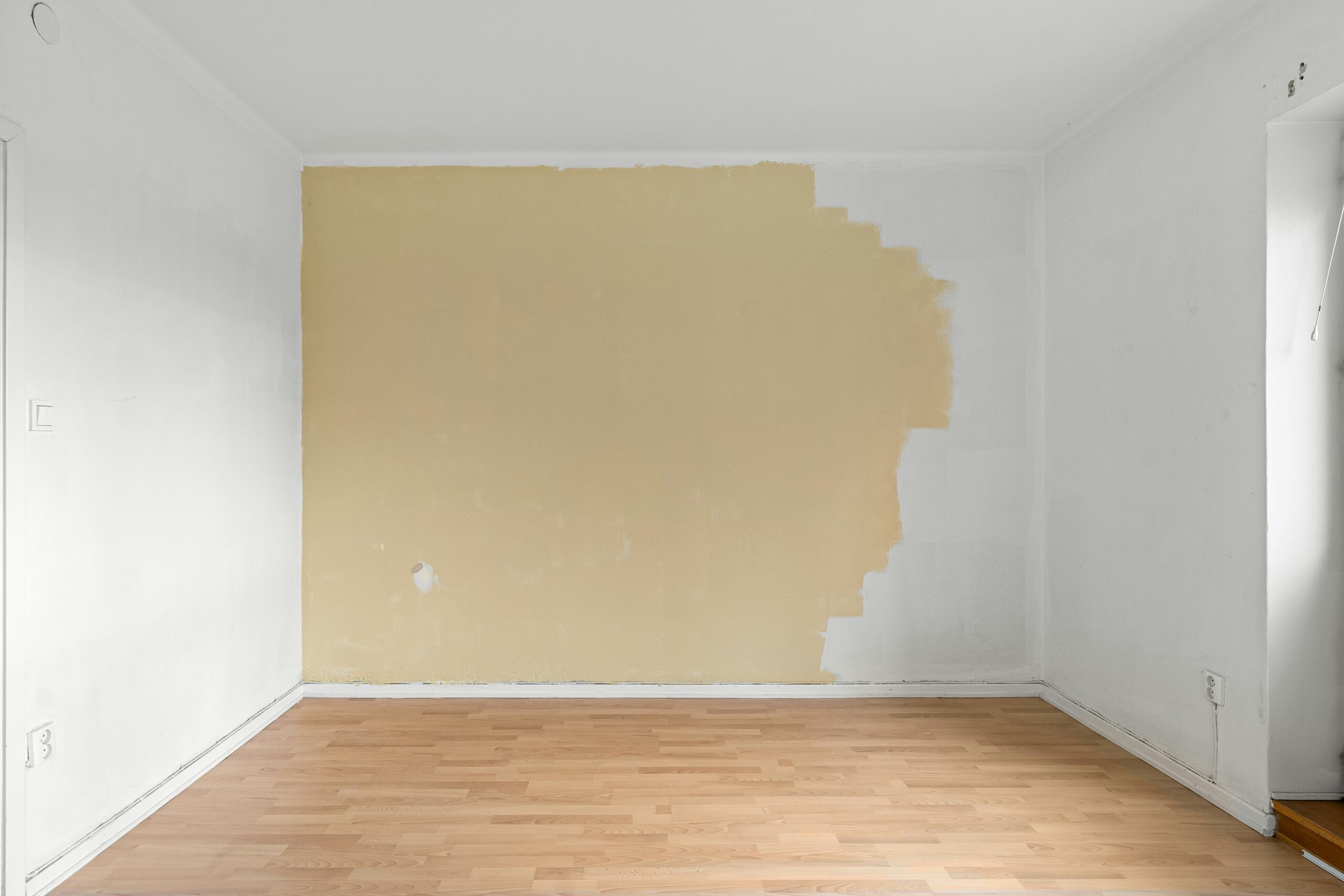
Tip #1: Choose the Right Finish from the Start
Different rooms have different needs. Choosing the appropriate paint finish is your first defense against premature wear.
- Flat/Matte: Best for low-traffic areas like ceilings or adult bedrooms. Harder to clean.
- Eggshell: Slightly more durable with a soft sheen. Great for living rooms.
- Satin: Easy to clean, perfect for kitchens, hallways, and kids’ rooms.
- Semi-Gloss/Gloss: Super durable, ideal for bathrooms, trim, and doors.
If your walls get a lot of use, choosing a more durable finish upfront will pay off in the long run.
Tip #2: Let Paint Cure Before Heavy Use
Fresh paint may feel dry in a few hours, but it needs 2–4 weeks to fully cure. During that time, avoid washing walls, hanging heavy art, or pushing furniture too close.
Give your walls time to harden and settle before putting them to the test.
Tip #3: Dust Walls Regularly
Walls accumulate dust just like furniture. A light layer of dust can dull the color and finish over time.
Use a:
- Microfiber cloth or dust mop for flat surfaces
- Vacuum with a brush attachment for textured walls
- Electrostatic duster to avoid pushing dust around
Aim to dust once a month, especially in corners and baseboards.
Tip #4: Spot Clean With Care
One of the biggest enemies of long-lasting paint is improper cleaning. Rubbing too hard or using the wrong cleaners can damage the finish.
How to clean painted walls:
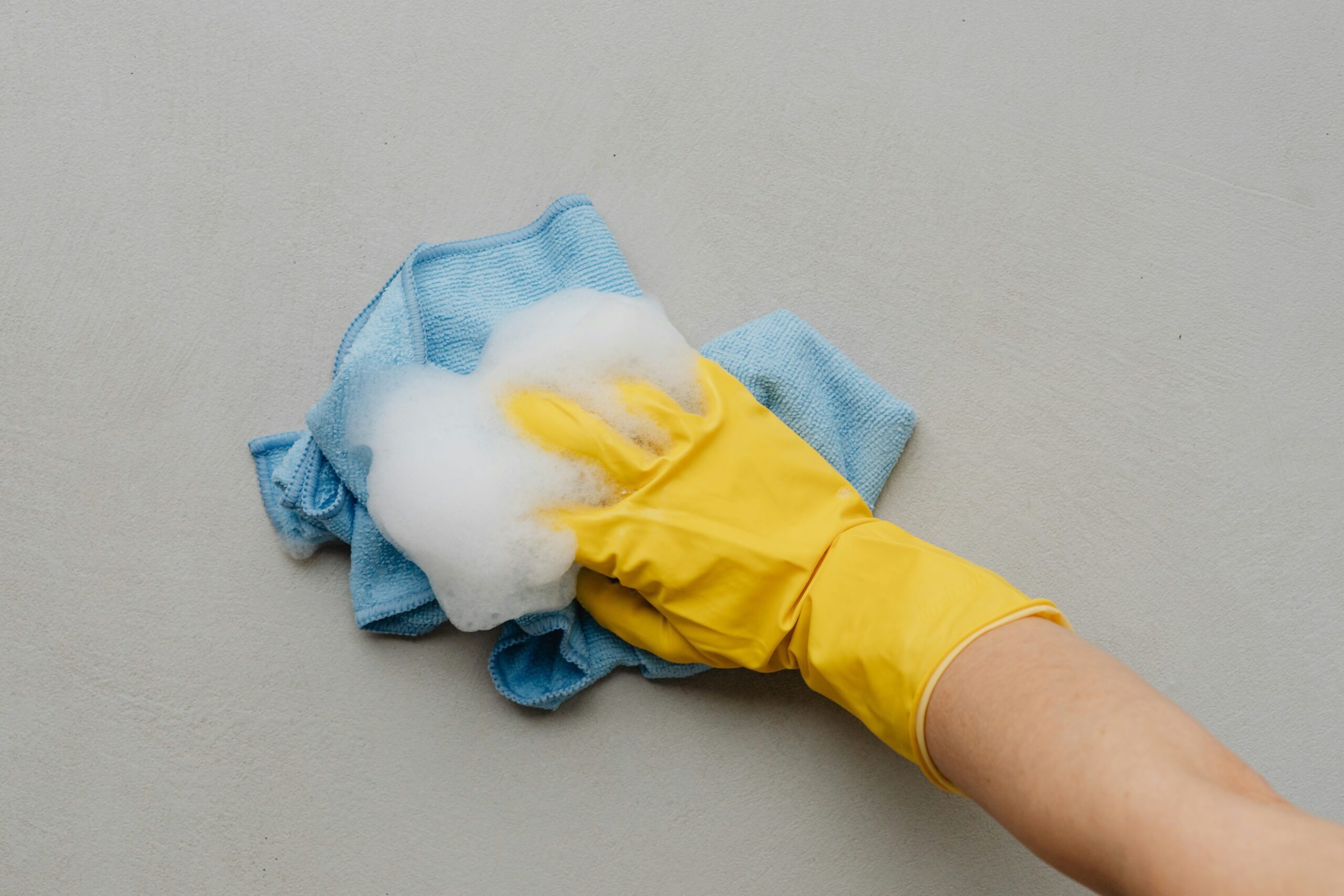
- Start with warm water and a soft sponge or microfiber cloth.
- Add a small amount of mild dish soap if needed.
- Test in an inconspicuous area first.
- Rub gently in a circular motion.
- Pat dry with a clean towel.
Avoid:
- Abrasive sponges
- Harsh chemicals like bleach
- Excess water on flat or matte paint
For stains on tougher finishes (like semi-gloss), try a vinegar-water solution or a Magic Eraser—but always test first.
Tip #5: Address Moisture and Humidity
Moisture can cause bubbling, peeling, and mildew—especially in bathrooms, kitchens, and basements.
Prevention strategies:
- Use exhaust fans while cooking or showering
- Wipe condensation off windows and sills
- Seal tile edges and caulk gaps to prevent water seepage
- Dehumidifiers can help in damp climates
If you’re planning a new paint job in a high-moisture area, choose a mildew-resistant paint designed for humid spaces.
Tip #6: Avoid Bumps, Scratches, and Furniture Scuffs
High-traffic zones often suffer from furniture dings, shoe scuffs, or toy marks.
Protect your walls by:
- Using felt pads on furniture legs
- Adding chair rails or wainscoting in dining rooms
- Installing wall guards in kids’ play areas
- Keeping shoes off near entryways or hallways
Being mindful of movement in tight spaces—like hallways and staircases—can reduce unnecessary wear.
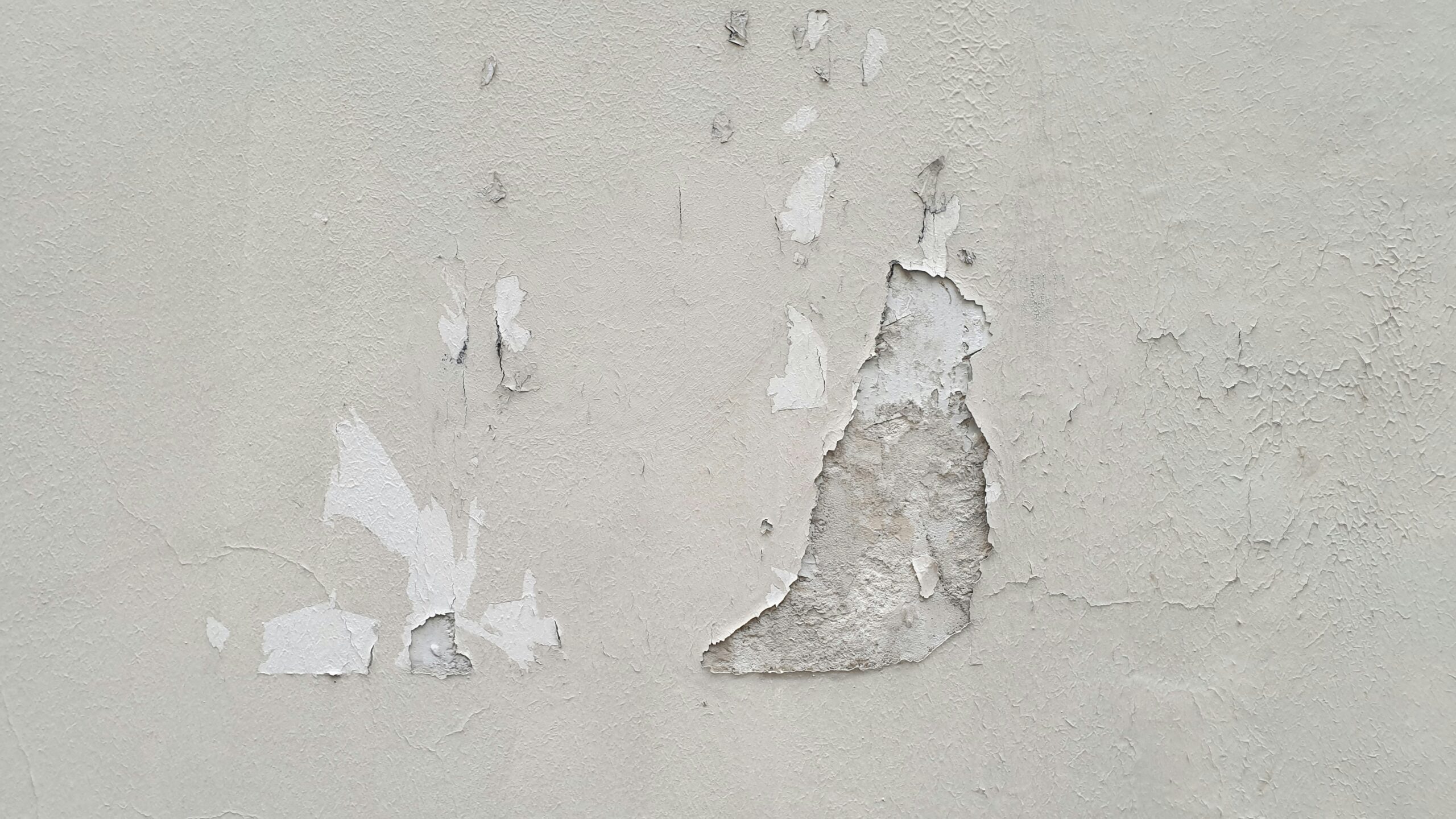
Tip #7: Watch for Trouble Spots Early
Paint problems usually start small: a chipped corner, a bit of discoloration, a hairline crack. Catching these issues early lets you fix them before they spread.
Keep an eye out for:
- Fading or yellowing in areas with direct sunlight
- Cracks or bubbling from moisture or structural shifts
- Grease buildup near stoves or light switches
- Scuff marks from backpacks, purses, or shoes
Addressing these early prevents bigger repaint jobs later.
Tip #8: Master the Art of the Touch-Up
Every home experiences a little wear and tear. Keeping leftover paint from your last project makes it easy to do small fixes.
How to do a seamless touch-up:
- Clean the area first.
- Lightly sand edges of the damaged spot.
- Use the same tool (brush or roller) as the original application.
- Feather the edges for a blended finish.
- Allow to dry and assess before a second coat.
Label your leftover paint cans clearly with the room, color, brand, and finish—it’ll save guesswork down the line.
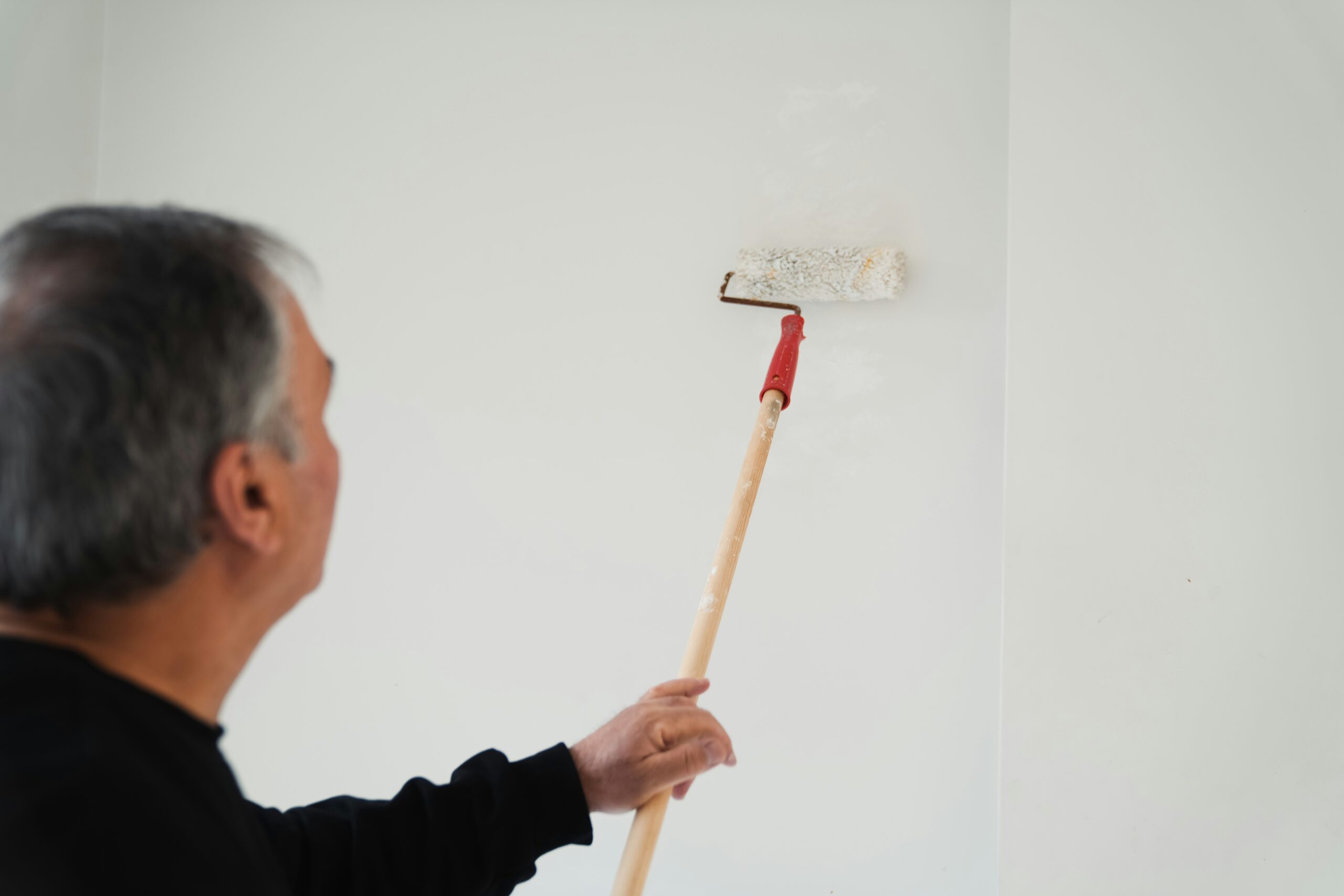
Tip #9: Repaint Strategically
Even with great maintenance, walls eventually need a refresh. But that doesn’t mean repainting the whole house every few years.
Focus on high-use areas:
- Entryways
- Hallways
- Kitchen backsplashes
- Around light switches and doorknobs
You can often go 5–7 years before repainting low-traffic spaces like bedrooms or home offices—especially with proper upkeep.
Tip #10: Hire a Pro When It Counts
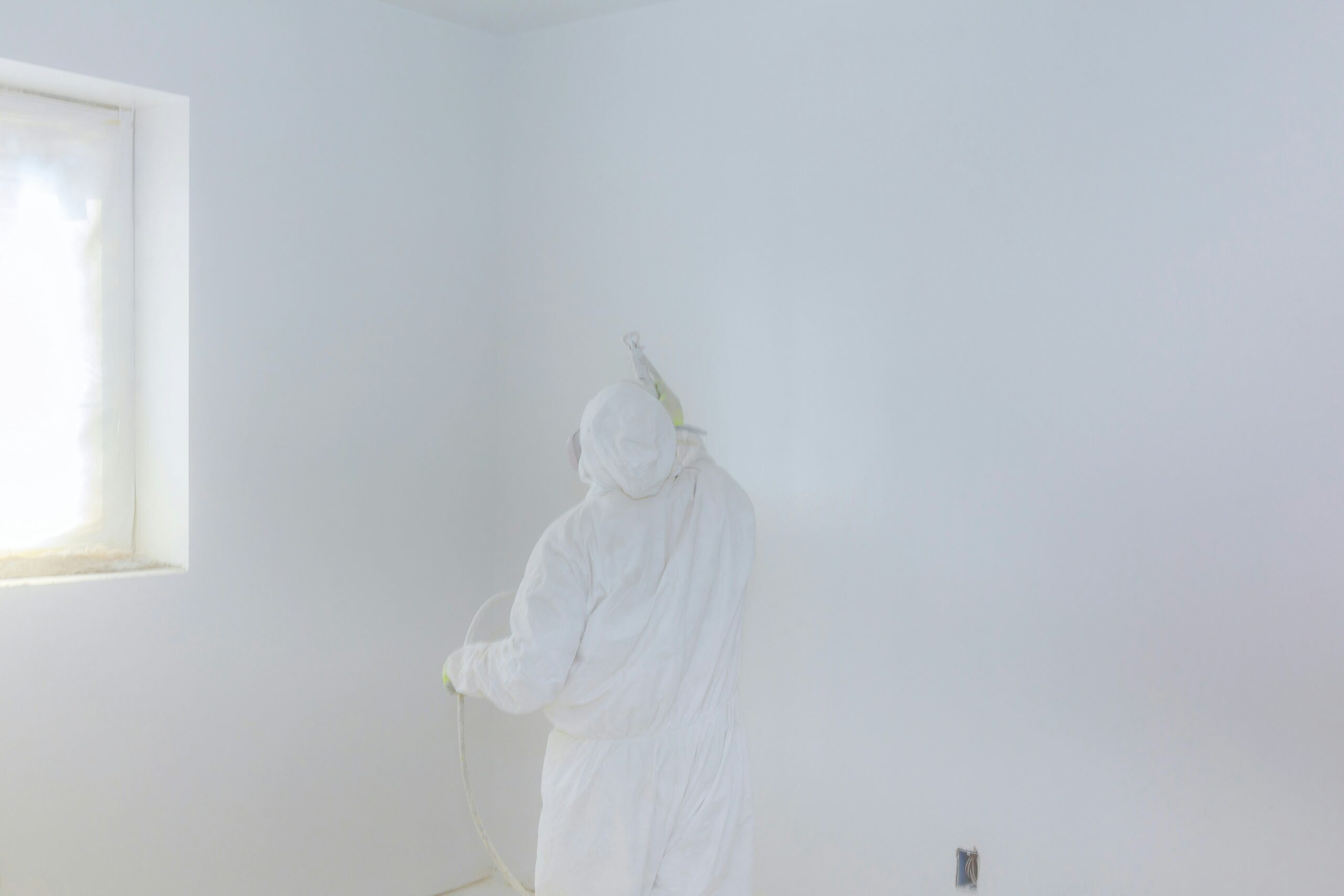
Sometimes a DIY job is fine. Other times, investing in a professional painter sets you up for better long-term results.
Professionals:
- Know how to prep walls for maximum adhesion
- Use high-quality primers and paints
- Apply even coats with proper tools
- Can advise on finish and brand based on room needs
A well-done paint job will last longer and look better, especially in tricky spots like bathrooms or stairwells.
Specialty Products for Paint Longevity
To go the extra mile, consider these additions:
- Topcoat sealers for high-use areas
- Washable paints designed for durability
- Anti-microbial or mold-resistant paints for humid areas
- UV-protective paint formulas for sunlit spaces
Brands like Benjamin Moore, Sherwin-Williams, and Behr all offer specialty products for long-term durability.
Final Thoughts: Protect Your Investment
Paint is more than color—it’s a finish that protects and defines your home. With just a little effort, you can extend the life of your paint job dramatically, keep your spaces looking fresh, and avoid the time and expense of frequent repaints.
Whether you’re caring for a recent renovation or sprucing up for guests, these paint maintenance habits will serve you for years.
At Paintzen, we don’t just paint—we help you plan, protect, and preserve. From professional-grade prep to the final coat, we ensure your investment lasts.
Need help with a refresh or touch-up? Contact Paintzen today for expert painting services and maintenance advice tailored to your home.